10 myths to dispel about Bologna
Updated on 11 June 2026 From Bologna Welcome

There is a Bologna that everyone knows – the one with its porticoes, fine dining and vibrant student life – and then there is the lesser-known Bologna, which lies in the shadow of these great icons.
Clichés often risk diminishing the true essence of a place, and Bologna is no exception, trapped in labels that now feel decidedly too tight. If you fancy looking beyond the postcard image and discovering the contrasts, stories and secrets of this city, you’ve come to the right place.
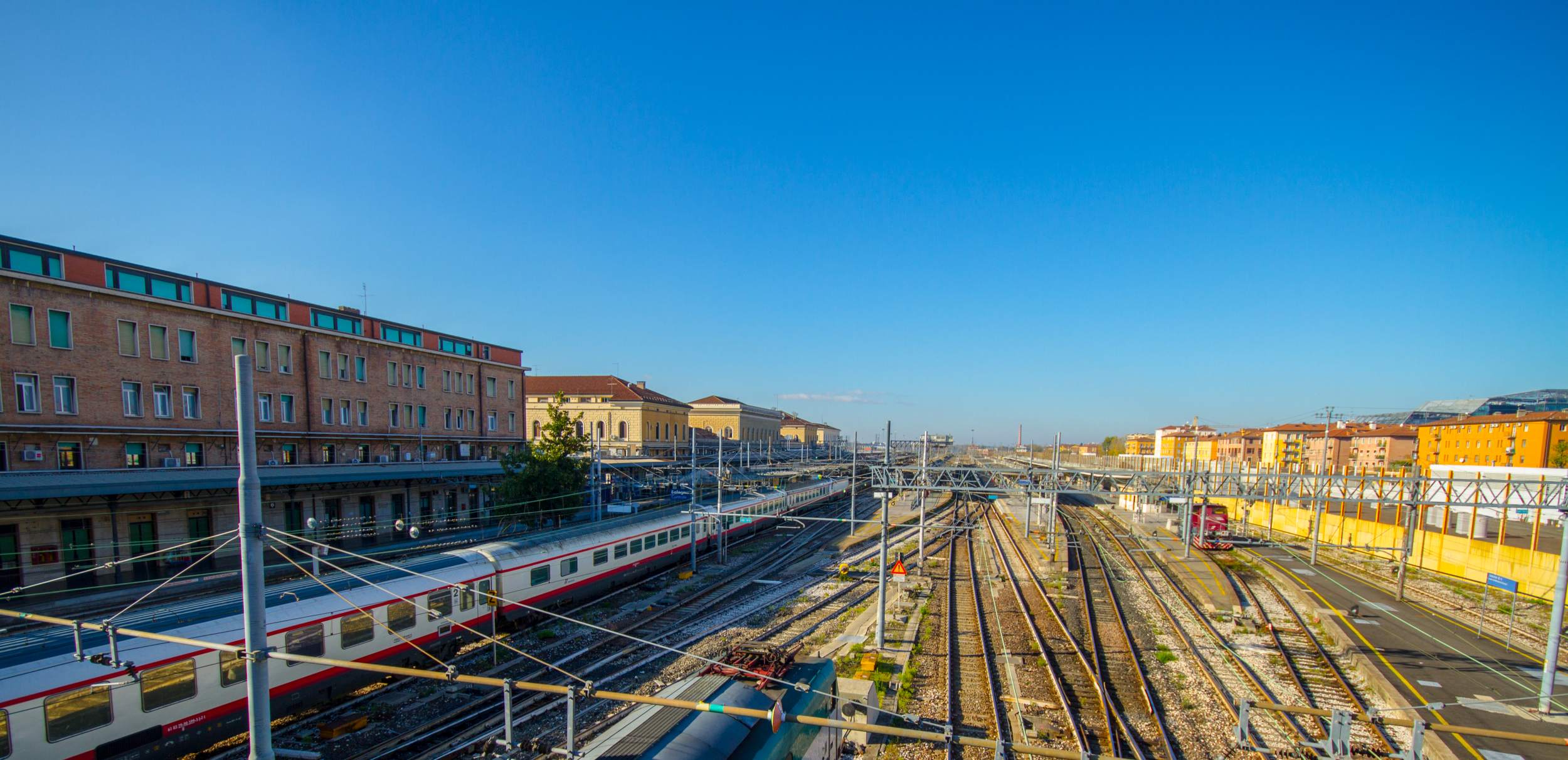
Many travellers still regard it as nothing more than a railway stopover to break up the journey between Florence and Venice.
But that’s a mistake! From picture-postcard hills to historic villages, the Bologna area exudes an infectious energy that deserves a trip all of its own.
We bet that, once you’re here, you won’t want to leave!
➝ Where to start: let our travel ideas guide you and find inspiration in the ‘Plan your trip’ section for practical information on parking and getting around the city.
Remember that the historic centre is subject to a restricted traffic zone (ZTL) and the absence of cars makes it perfect for getting around on foot, by bus, by bike or by scooter.
Nothing could be further from the truth. If
you want to soak up the true essence of the city, you need to set aside at least a whole weekend
.
You’ll need time to wander through the less touristy neighbourhoods, pop into
museums and enjoy the city without the pressure of the clock.
It’s best to stay for at least three days so you can also explore the surrounding area, where you’ll find a unique landscape of parks, badlands, oases and the home of motoring.
➝ In short, no improvising: make the most of every minute and find out how best to organise your time by checking out our tips and ready-made itineraries.
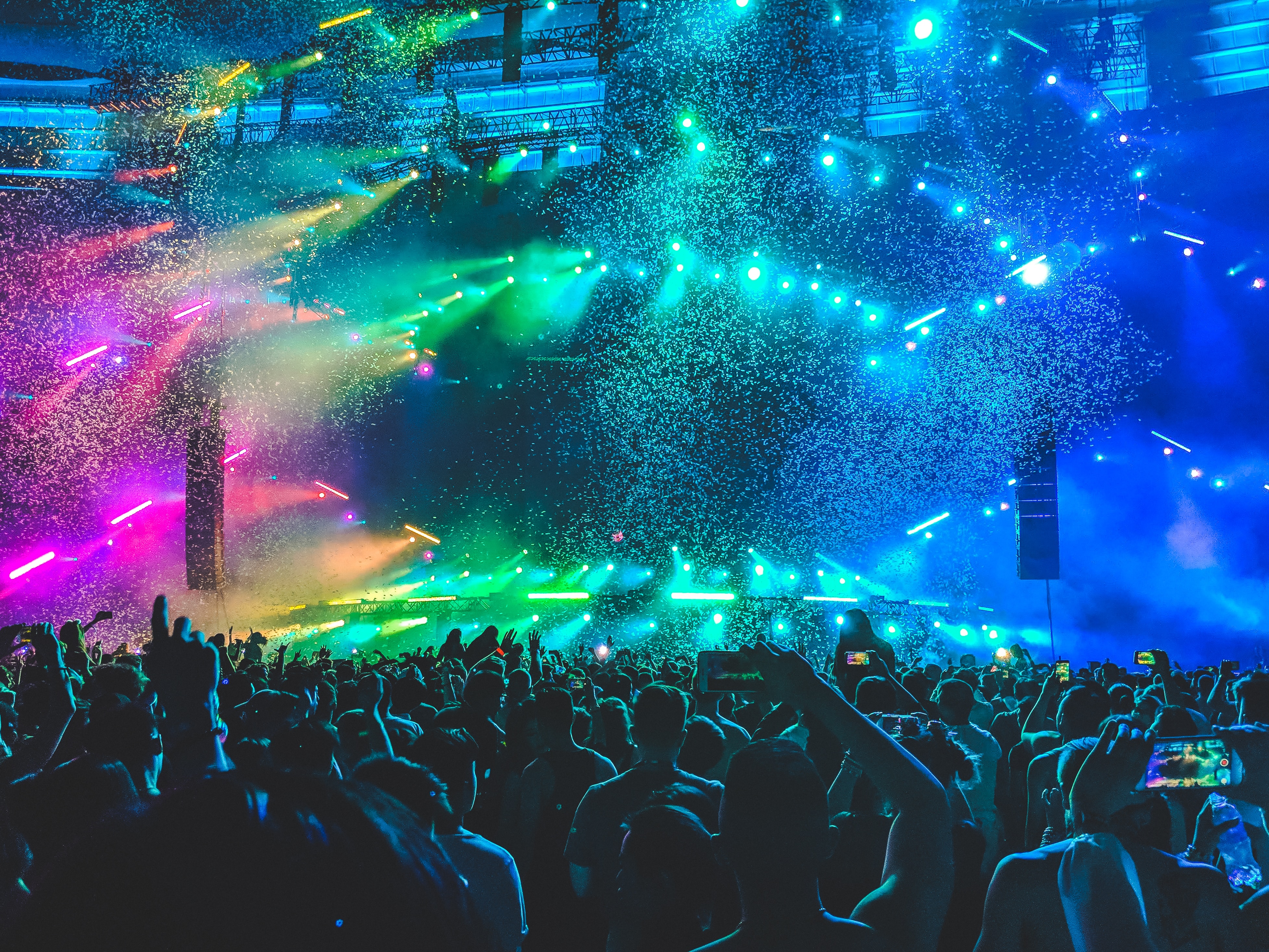
The truth is that it never sleeps here: whether it’s a Monday evening or a Saturday afternoon, you’ll always find a festival, a concert under the stars, an amazing exhibition or a theatre show. Bologna’s cultural scene is one of the liveliest, most rebellious and vibrant in Europe. The only real risk is having to choose between too many things to do.
➝ What’s on tonight? Don’t stay cooped up in your hotel: find the perfect event for you by checking our updated events page.
And if you’re really tired, grab an aperitif in town or have a beer in the park.
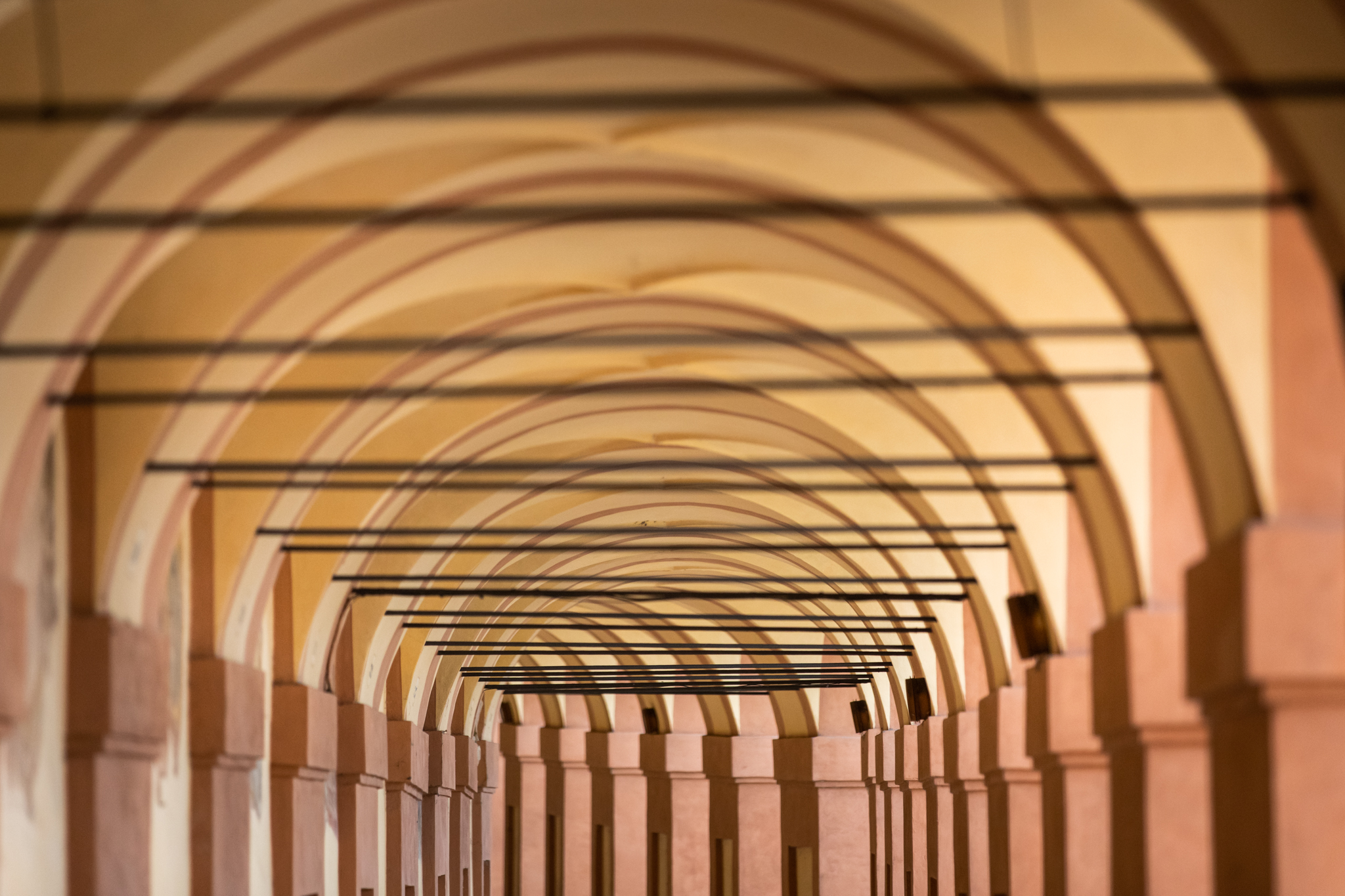
Kilometres of covered walkways invite you to stroll, shop and pop in and out of different bars and restaurants.
But be careful! The porticoes can’t work miracles against storms. If it’s windy or there’s a heavy downpour, you’ll still need an umbrella to stay dry. The real blessing is that the city offers plenty of indoor alternatives. When it rains, you can take refuge in its historic cafés, visit extraordinary museums or enjoy a long culinary break in a tavern, postponing your stroll until the sun returns.
➝ If you’re with your children, don’t let a few drops stop you: check out our special guide on what to do in Bologna when it rains with the family.
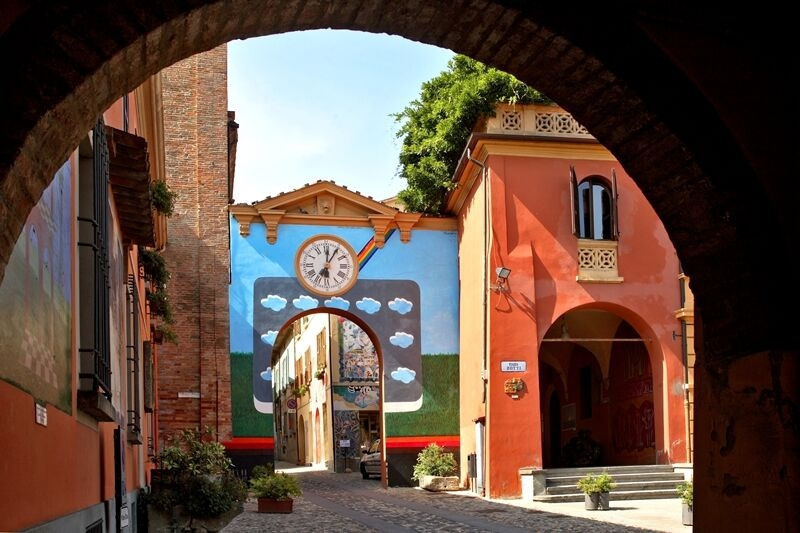
➝ Don’t have enough time? Take a day trip just an hour away from Bologna.
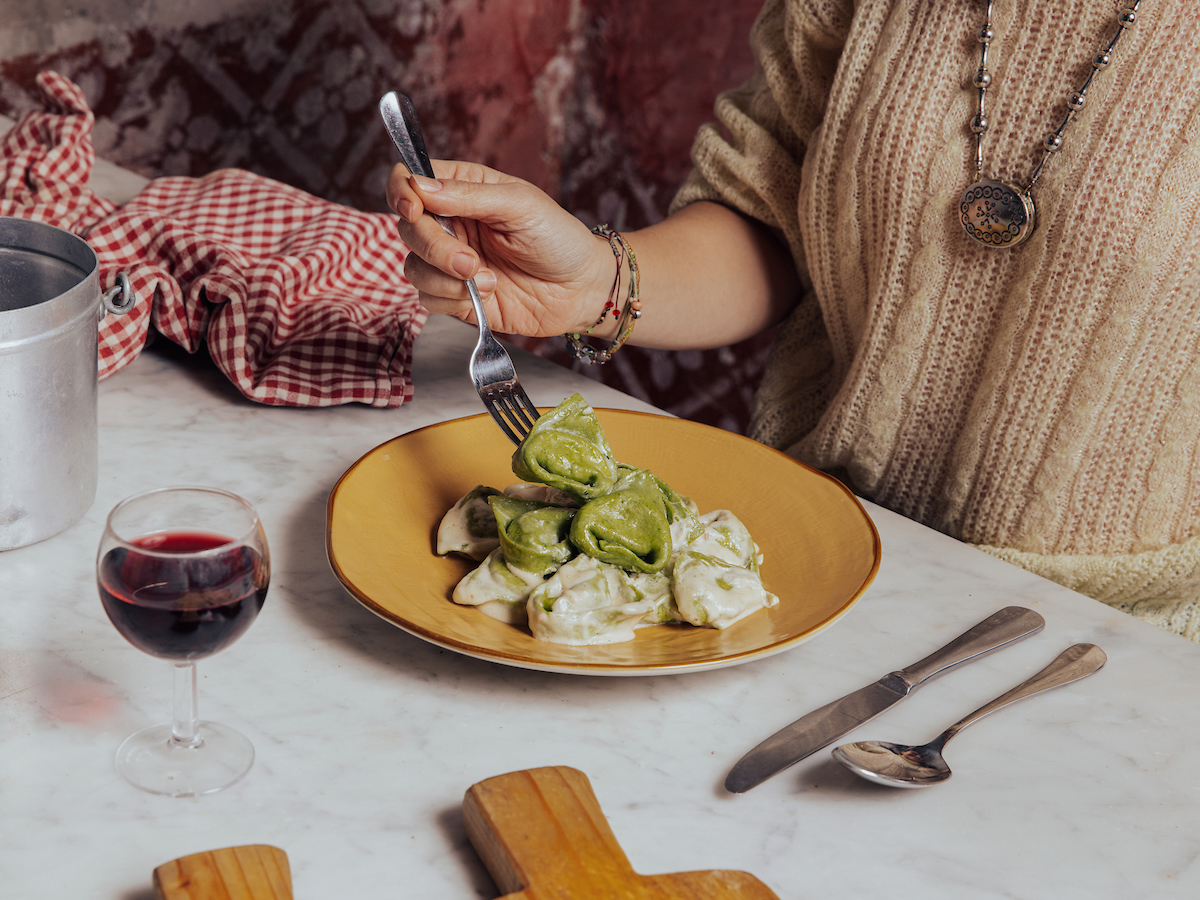
If you say this in a traditional trattoria, you might see the waiter turn pale or, worse still, be thrown out in disgust.
Joking aside, spaghetti alla Bolognese simply does not exist in the local tradition.
The true ragù detests dry durum wheat pasta: it demands to be embraced by egg pasta rolled out with a rolling pin. Therefore, it is only ordered with tagliatelle or lasagne.
For true purists, there is even an official, updated recipe for the authentic Ragù Bolognese, filed with a notary at the Chamber of Commerce.
A damn serious matter.
➝ Experience the city as it should be: book the best food experiences or lose yourself among the stalls of our historic markets.
In the Middle Ages, Bologna was the fifth largest city in Europe in terms of population and an industrial powerhouse driven by water power. A dense network of canals fed the silk mills and grain mills.
Much of that water was buried in the last century. In Via Riva di Reno, the Reno Canal was covered over in the 1950s. Today, thanks to public works for the tram, this stretch has finally been rediscovered and brought back to light. Just look out from the right spots in the city centre to discover secret views that will take your breath away. You can open the famous little window in Via Piella overlooking the Canale delle Moline. Or you can follow the route from Parco del Cavaticcio to the ancient Navile Canal.
➝ Want to find out more? Immerse yourself in the city’s water-filled history by reading our article dedicated to Bologna’s waterways.
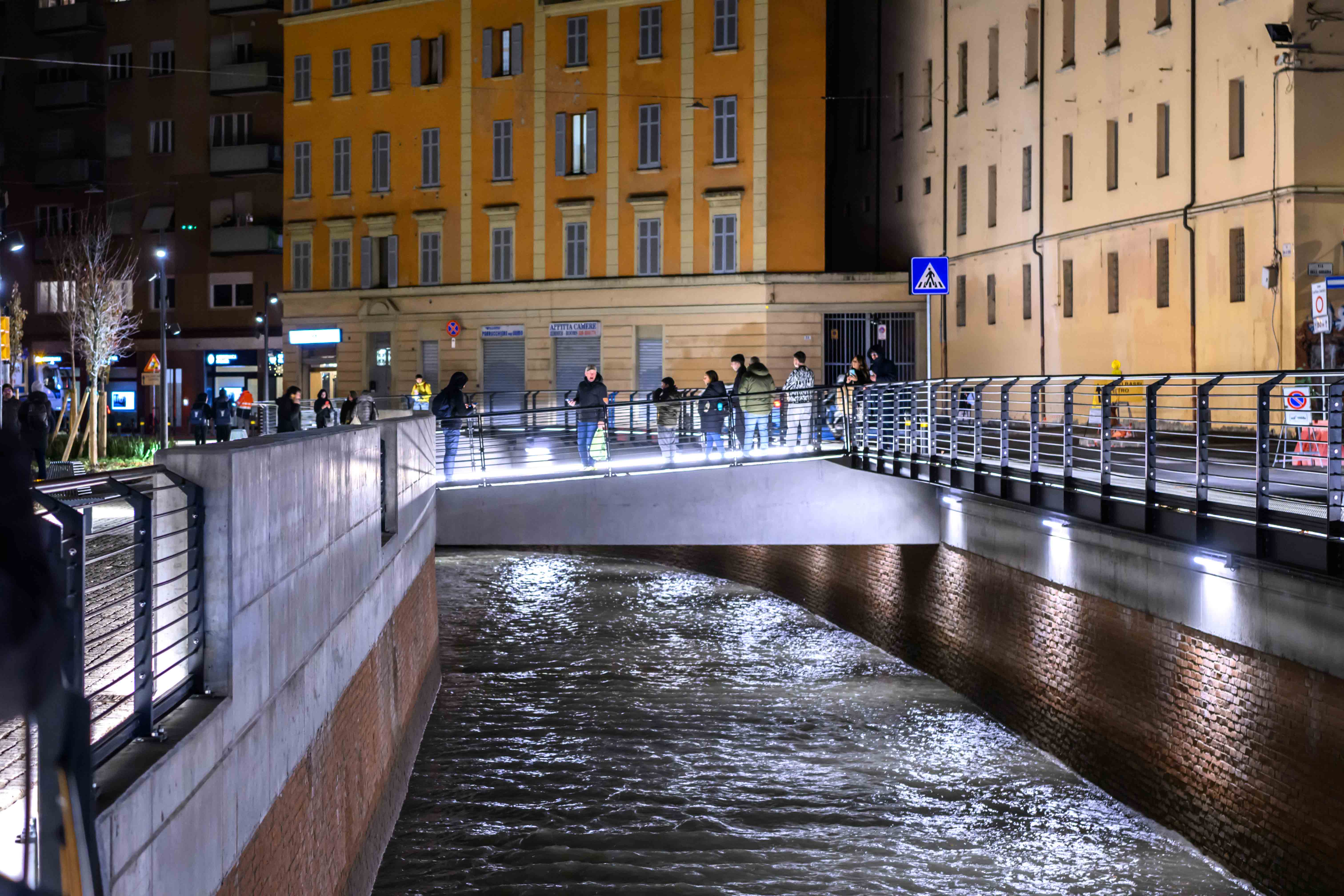
This enveloping colour palette reflects the sunlight, lending the narrow streets and squares that visual warmth from which its most famous nickname was born.
➝ Take in the city’s grand historic buildings and majestic palaces as you follow our itinerary
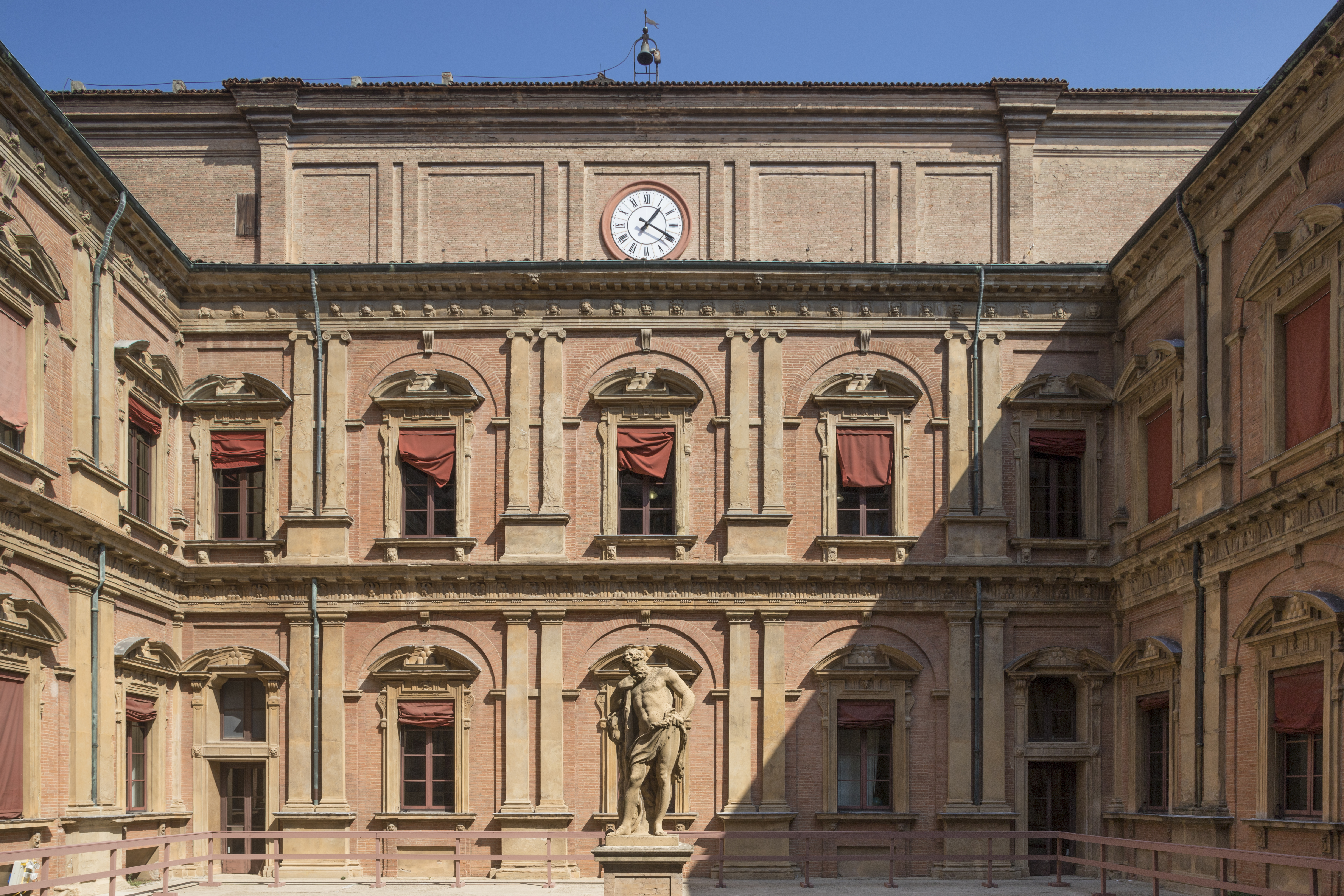
Of course, the first university in the Western world was founded in Bologna – no small feat!
But alongside the vibrant student life and the centuries-old tradition of Bolognese student life – guardian of ancient rituals such as the historic colourful feluche, the Order of the Fittone and the transgressive Freshers’ Festival – you’ll find a city rich in craftsmanship and a focus on sustainability.Added
to this is the beating heart of Motor Valley, a vast
industrial tradition that exports the legend of speed and
mechanical precision across the globe, with legendary brands born in the shadow of the Two Towers
such as Lamborghini and Ducati.
The city is also a global hub for technological innovation, thanks to the DAMA Technology Park, home to the Leonardo supercomputer, and a major international exhibition centre led by BolognaFiere, the exhibition centre that attracts buyers and visitors from every continent with historic events such as Arte Fiera, Cosmoprof and the Children’s Book Fair.
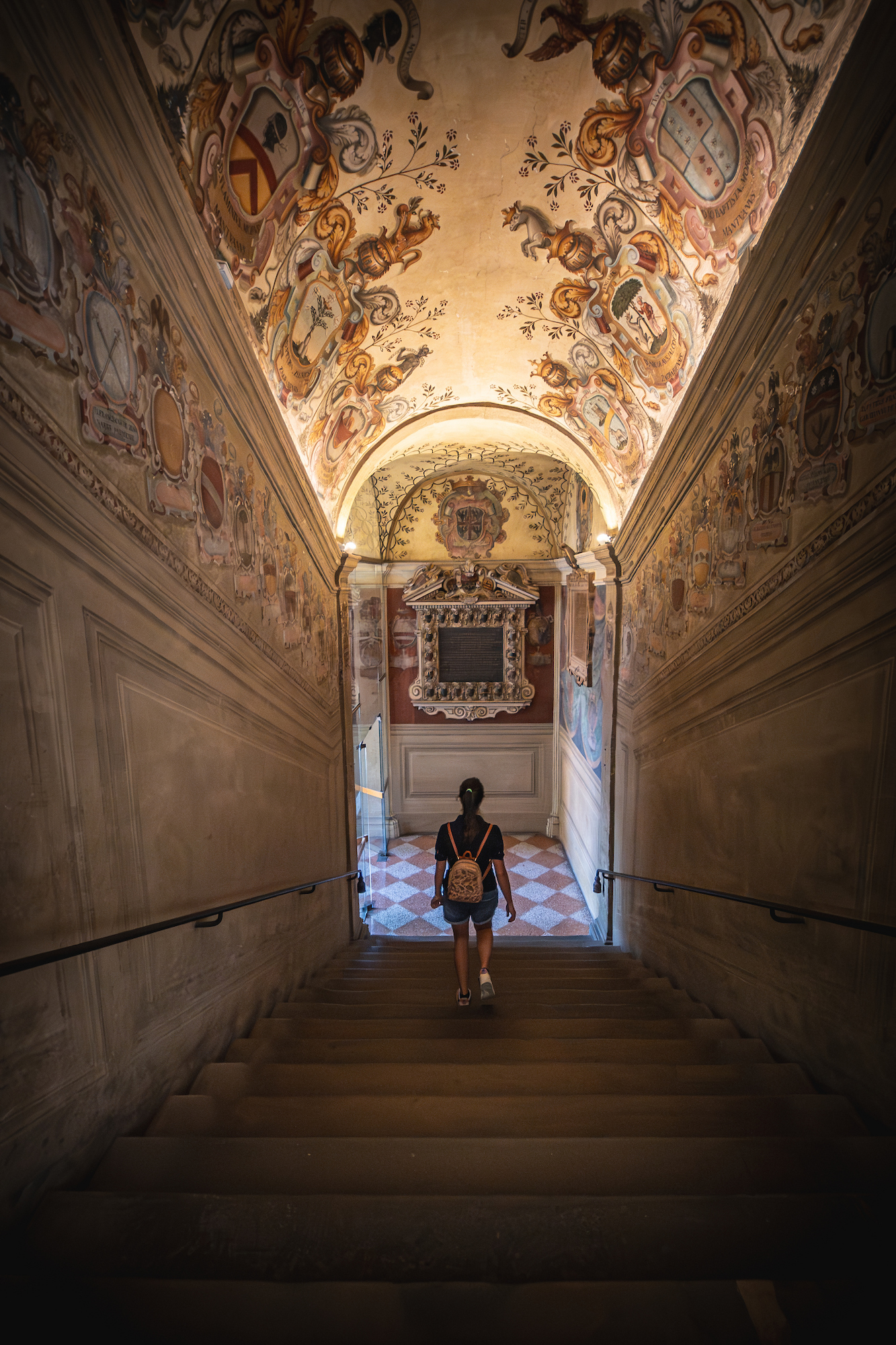
Palazzo dell’Archiginnasio, ©Wildlab
Bologna has a pop, student-oriented and working-class spirit that makes it democratic and accessible.
Many of its most iconic treasures – from monumental squares to medieval alleyways, from churches brimming with masterpieces to panoramic viewpoints on the hills – are free.
Usually, when you leave the historic centre and head towards the outlying neighbourhoods, you experience the most authentic and artistic side of Bologna, such as in the Bolognina area. And you’ll certainly find aperitifs and beers in ‘unpretentious’ spots, for example at the local markets!
And on top of that, the sense of community here is strong and clear: from local festivals to inclusive restaurants with a social mission, you’ll discover a side of the city that’s deeply supportive and accessible to everyone.
➝ Enjoy the city on a budget: read the guide to free and low-cost activities.
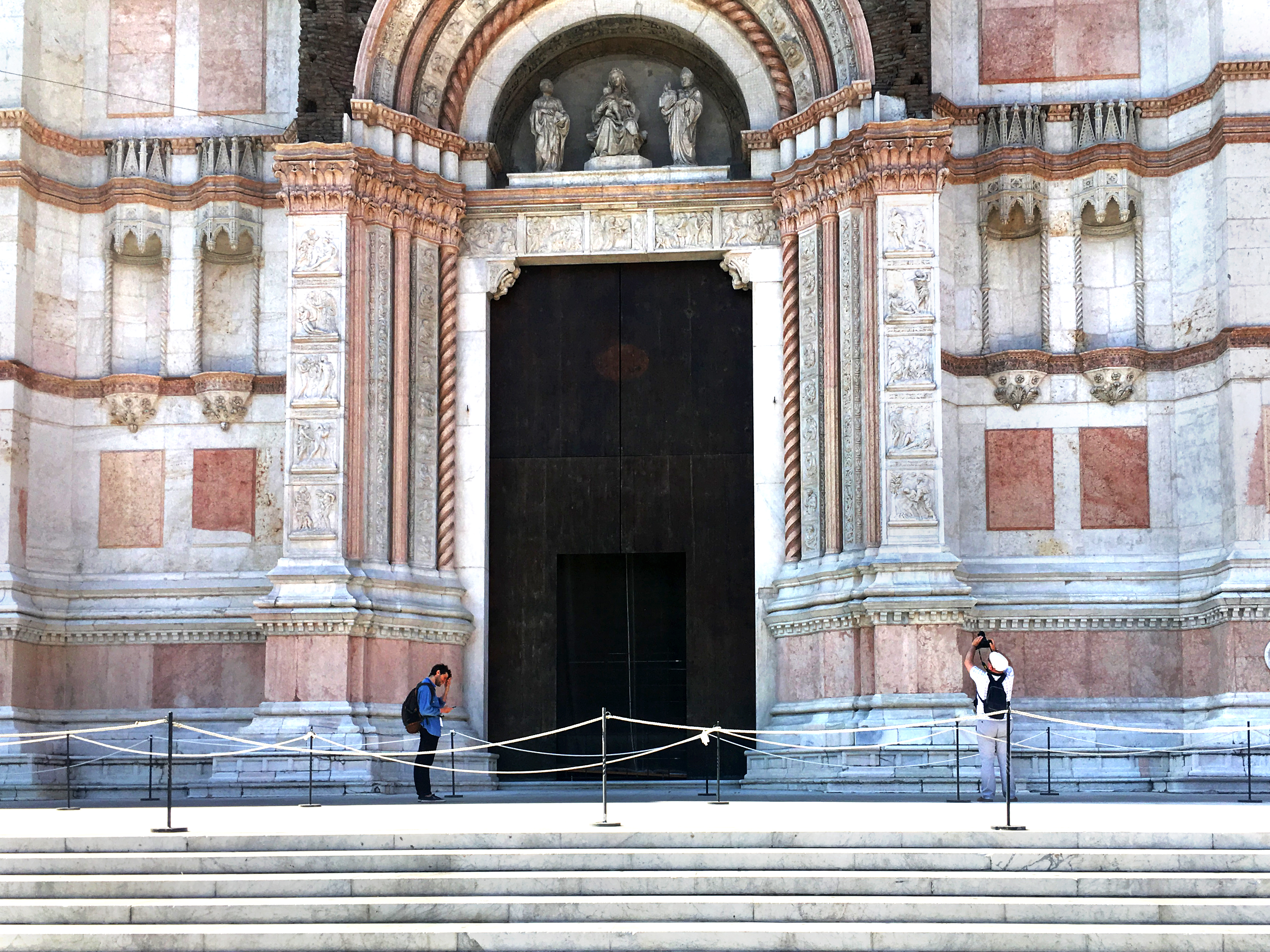
Now that we’ve debunked some of the most famous clichés, why not focus on the legends (the real ones!) surrounding Bologna?
➝ Discover our guide dedicated to the city’s esoteric side.