Esoteric Bologna: Where Magic Meets Legend
Updated on 09 December 2025 From Davide Sarti

Updated on 09 December 2025 From Davide Sarti
Bologna holds a heritage of ancient and evocative stories that still intertwine with its places today: among its porticoes, alleys, and palaces come to life tales of devils, witches, alchemists, and occult practices.
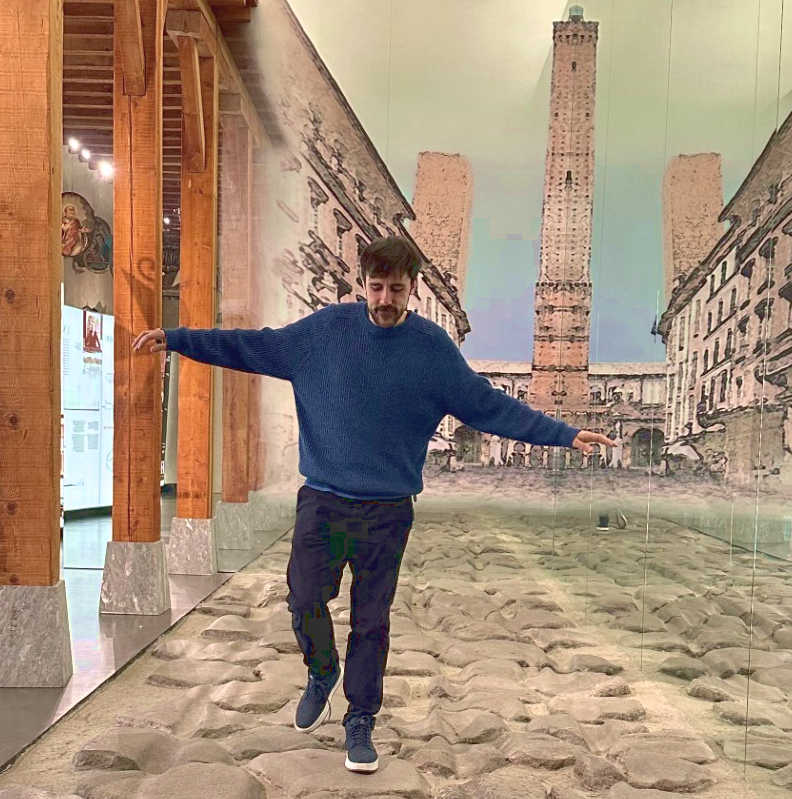
At the centre of Bologna rises the Asinelli Tower, 97 metres tall, with its 498 steps. According to a widespread popular tradition, the tower would not be the result of human craft: it is said it was built in a single night by the devil himself.
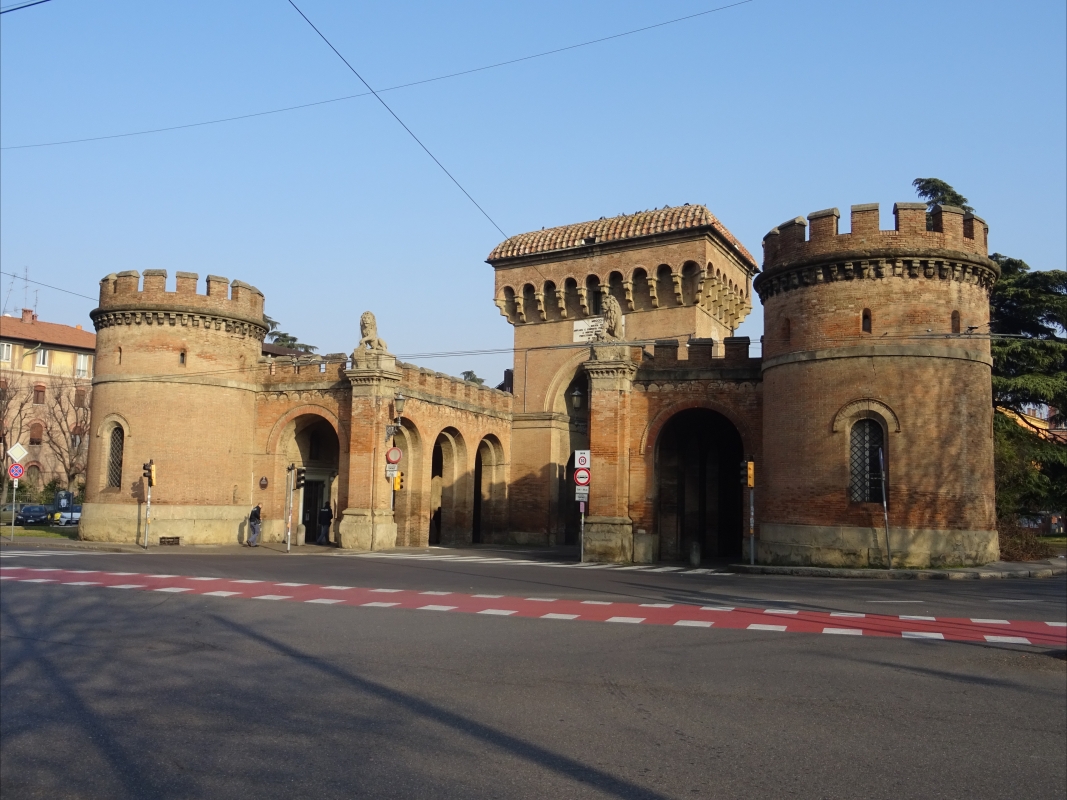
And it is precisely from the Asinelli Tower and from Piazza Maggiore — the beating heart of Bologna — that spread the roads leading to the ancient city gates, each associated, according to a fascinating theory, to one of the twelve zodiac signs. According to this hypothesis, Bologna was conceived as an urban astrological map, a “living zodiac” in which architecture, orientation and symbolism intertwine.
But which zodiac sign is associated to each city gate?
Bologna is home to many superstitions, popular beliefs that, according to tradition, can influence the future.
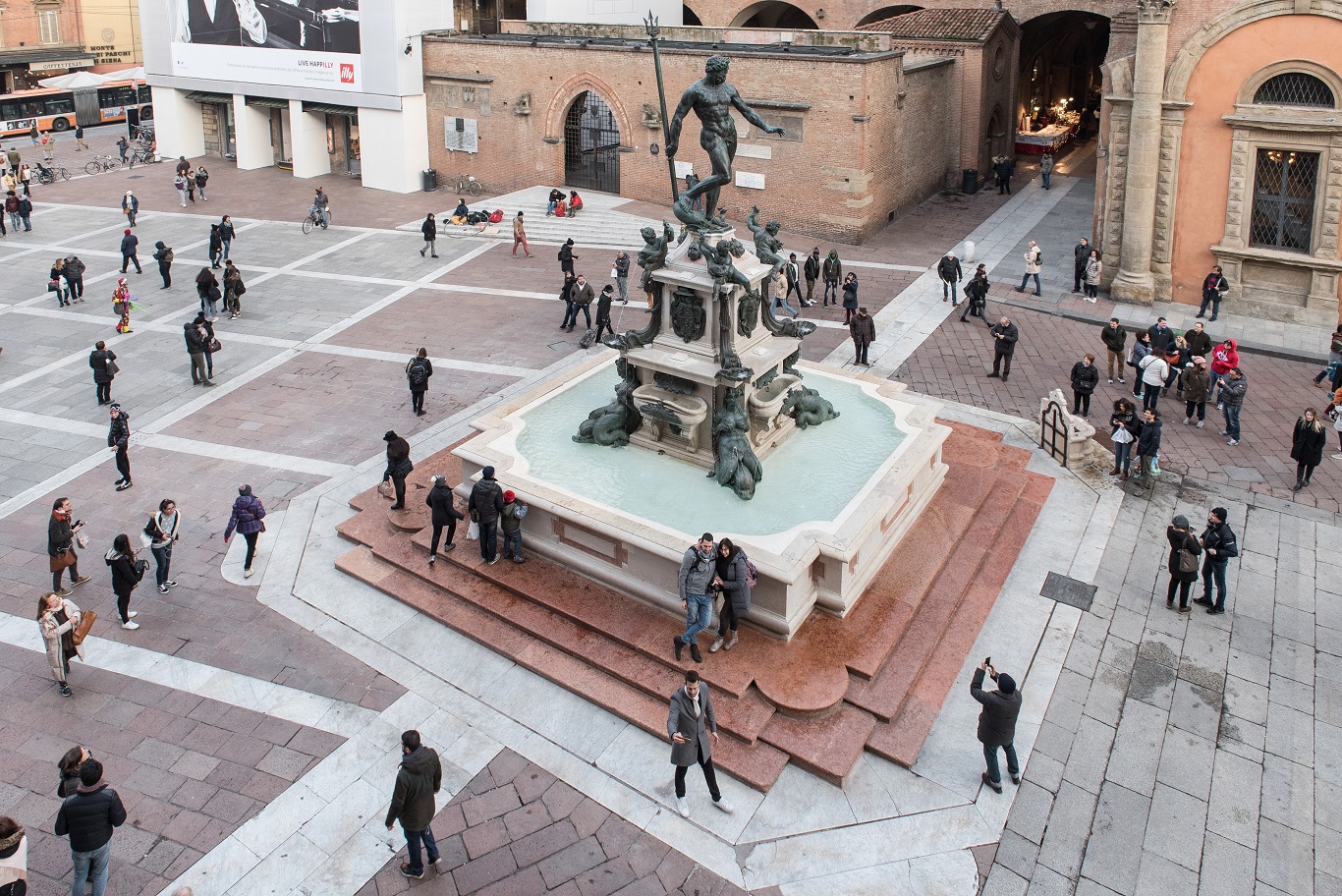
Before an important exam, students at the University of Bologna traditionally walk twice counterclockwise around the Fountain of Neptune to attract good luck. Other traditions advise students not to cross Piazza Maggiore diagonally, so as not to jeopardize their path to graduation, and not to climb the 498 steps of the Asinelli Tower before completing their studies.
Love has its rules too: according to a famous Bolognese legend, engaged couples should never walk together under the portico leading to San Luca, to avoid bringing bad luck upon their relationship.
Walking through the streets of Bologna, one can come across stories of women and men who devoted their lives to the occult arts.
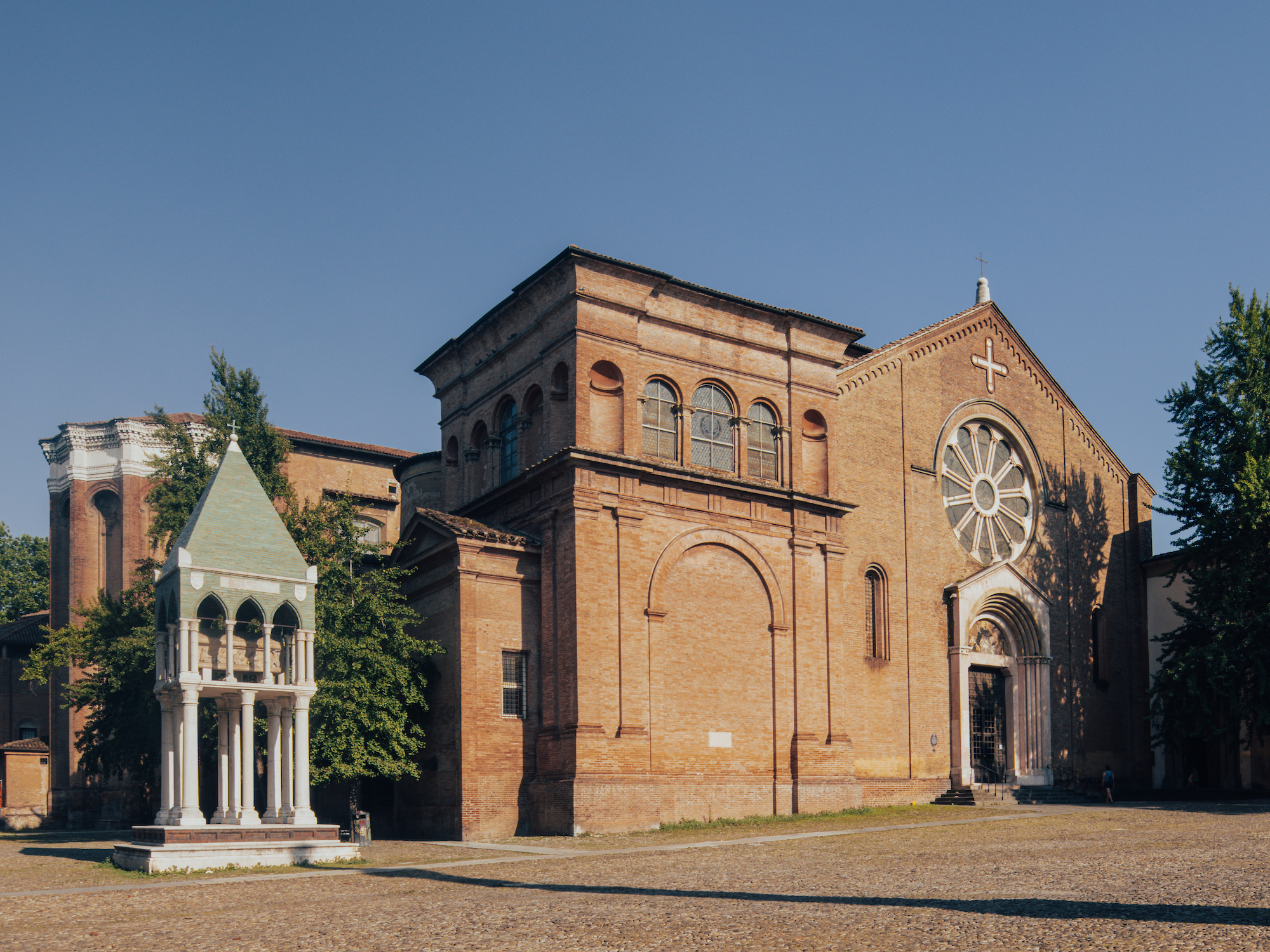
Among the most famous figures is Gentile Budrioli, an astrologer, healer, and herbal expert who lived in the 15th century in the Torresotto di Porta Nuova, opposite the Basilica of San Francesco. Highly regarded at the court of the Bentivoglio family, her reputation and influence eventually attracted suspicion and accusations: in 1498 she was tried for witchcraft by the Inquisition, which at the time had its seat in the Basilica of San Domenico
In Bolognese popular tradition appear, finally, the burde, mysterious water-witches connected to marshes and canals. Described by some — including the writer Gabriele D’Annunzio — as a “wind of pain” and a “wild scourge”, the Burde are depicted sometimes as beautiful women, sometimes as old crones who lured travellers into dilapidated huts. They are said to have controlled winds and storms, deciding the fate of sailors and travellers.
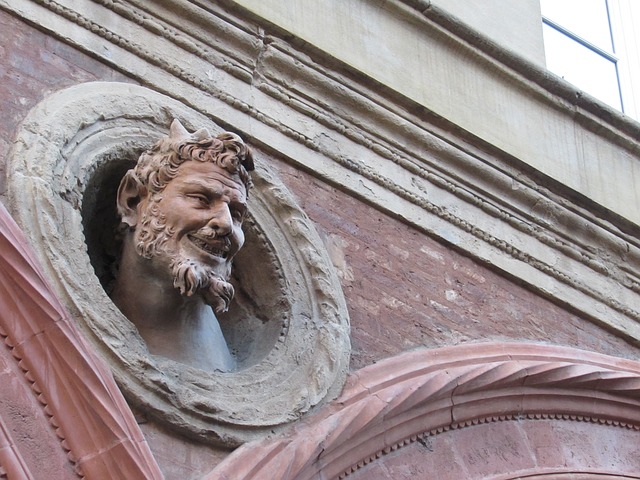
Among the most fascinating and unsettling traces of Bologna’s esoteric past are the “diabolical” figures carved on the façades of certain buildings.
Under the Portico dei Bastardini in via D'Azeglio stands a wrought-iron statue known as the Bolognese She-Devil, a gargoyle with unsettling features — a canine face and a female body. According to tradition, it was placed there to deter parents from abandoning newborns at the foundlings’ wheel, a revolving device that allowed unwanted newborns to be left anonymously.
Walking along Via Santo Stefano, instead, you only need to lift your gaze to the façade of Palazzo Bolognini Amorini Salina to find, among dozens of sculpted faces, an unmistakably out-of-place guest: a grotesque, horned face with a mocking grin. Many call it “the demon of Bologna”. In the Renaissance, such figures were not mere decoration: grotesque masks had an apotropaic function, meaning they served to ward off evil spirits. Paradoxically, a carved “demon” thus became a talisman — a presence meant to repel darker entities.
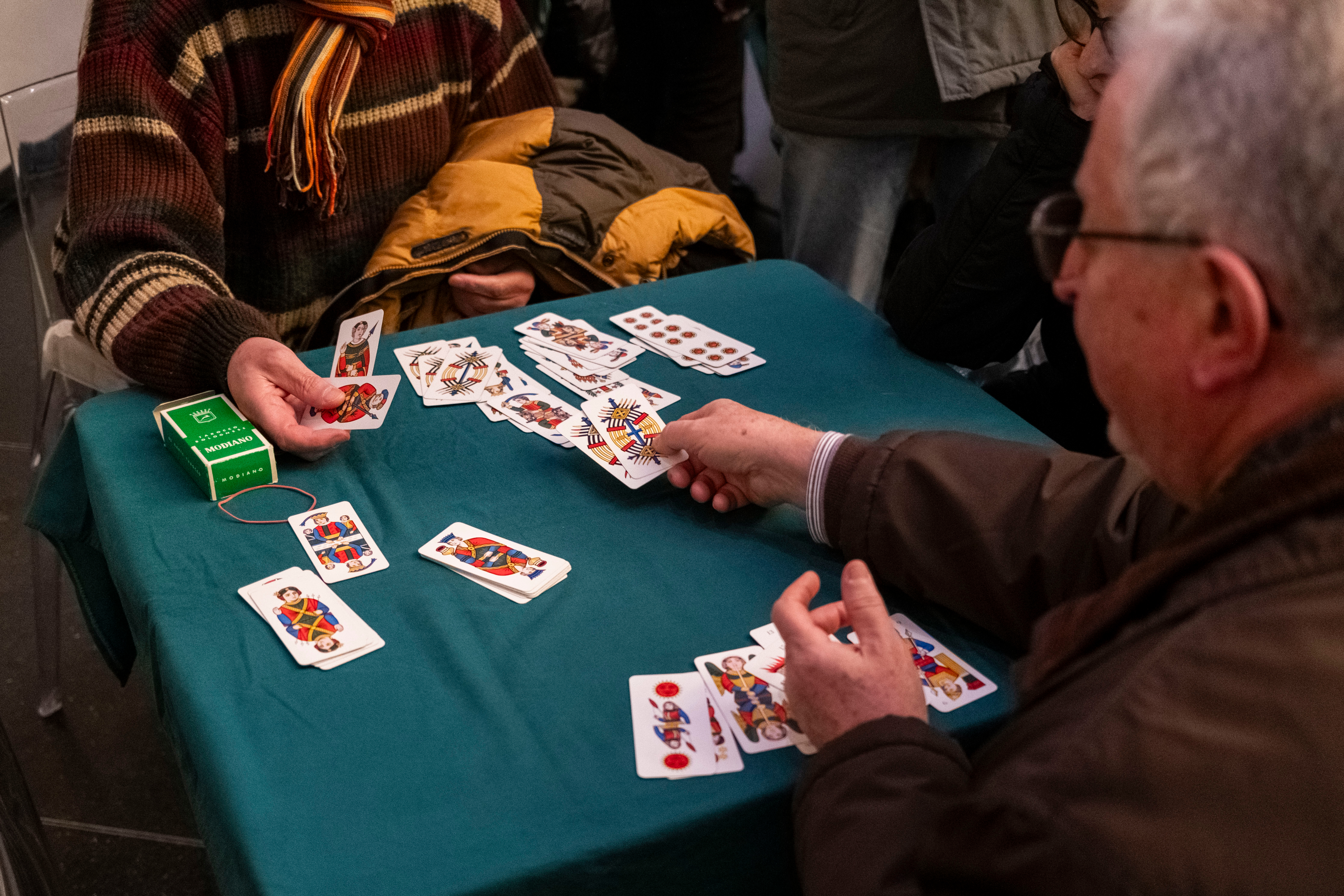
Did you know that Bologna has its own version of the Tarot? It is the Bolognese Tarocchino, a unique deck of cards also known as the “Trionfi”. In popular tradition, it is not just a card game: its cards can be used as a divinatory tool, to explore past, present, and future. According to traditional lore, this knowledge is passed on only during the “Night of Knowledge”, on 24 December, when the meaning of the cards is transmitted from one generation to the next. Some even use the Tarocchino cards for introspection through the so-called “Mirror Game”, a moment of meditation meant to observe oneself with a renewed gaze.
Today the Tarocchino is recognised as a De.Co. product, a Municipal Denomination, a title through which the Municipality of Bologna protects and promotes the city’s historical and local identities: a civic seal that safeguards this age-old tradition and consecrates it as a living part of Bologna’s cultural heritage.