Historic buildings in Bologna
Updated on 25 March 2026 From Karoline Villacidro

Palaces and grand residences have always been among the most popular tourist attractions. Symbols of power, splendour and glory, in Bologna too they enrich the historic city centre with monumental façades, fine decorations and porticoes of enchanting beauty.
Below is an itinerary of palaces open to visitors, with no need for specific requests, but simply by taking advantage of standard opening times or temporary exhibitions hosted inside them.
The itinerary can begin at Palazzo d’Accursio which, overlooking Piazza Maggiore, is Bologna’s “civic” heart: since 1336 it has been the seat of the Town Hall and, over time, has welcomed magistrates, papal legates, emperors and sovereigns. This complex structure has evolved from the 13th century over the course of the centuries, from the home of a law professor to the seat of the Bologna Town Hall. The majesty of the place can already be perceived from its external façade, with the Court of Honour and the monumental staircase designed for horses, leading up to the splendidly frescoed loggia rooms.
To go beyond the façade and discover its most representative spaces, the ideal option is to join the guided tour of Palazzo d'Accursio: from the Court of Honour to the striking Scalone dei Cavalli, up to the institutional halls (Sala d’Ercole, Sala Rossa, Sala del Consiglio) and the magnificent Sala Farnese with the Farnese Chapel, also including admission to the Municipal Art Collections.
The palace’s must-see attraction is the Clock Tower, which can be visited with a combined ticket together with the Municipal Art Collections.
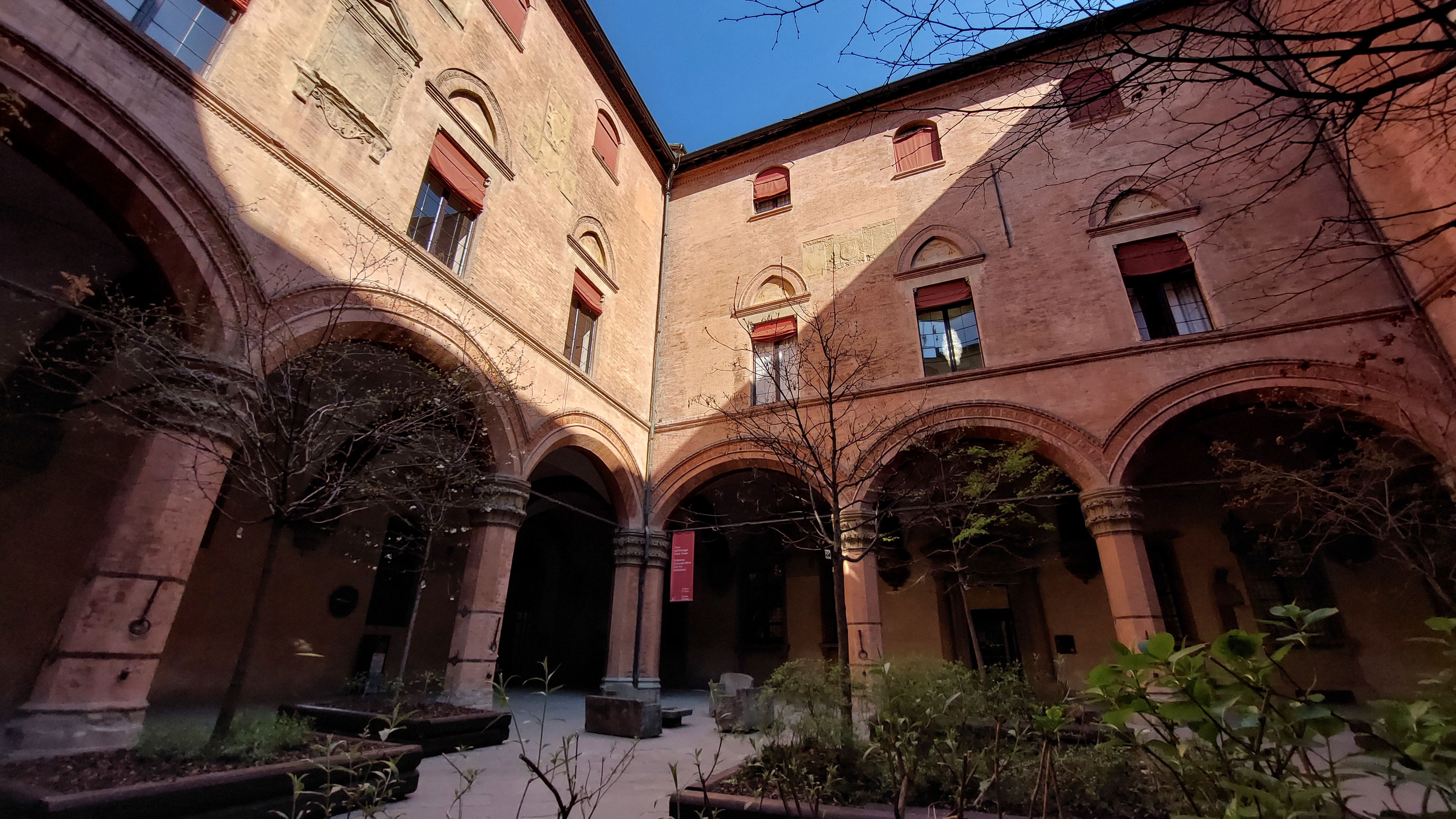
Courtyard of Honour of Palazzo d'Accursio
Part of the same complex, but with its entrance on Piazza del Nettuno, Palazzo di Salaborsa, is a unique place for its architecture, culture and city history, now home to Bologna’s most important library.
Once inside, do not let its splendid covered square distract you from also admiring the glass floor, beneath which you can see the ancient excavations and the layers of the civilisations that have followed one another in this very place over the centuries.
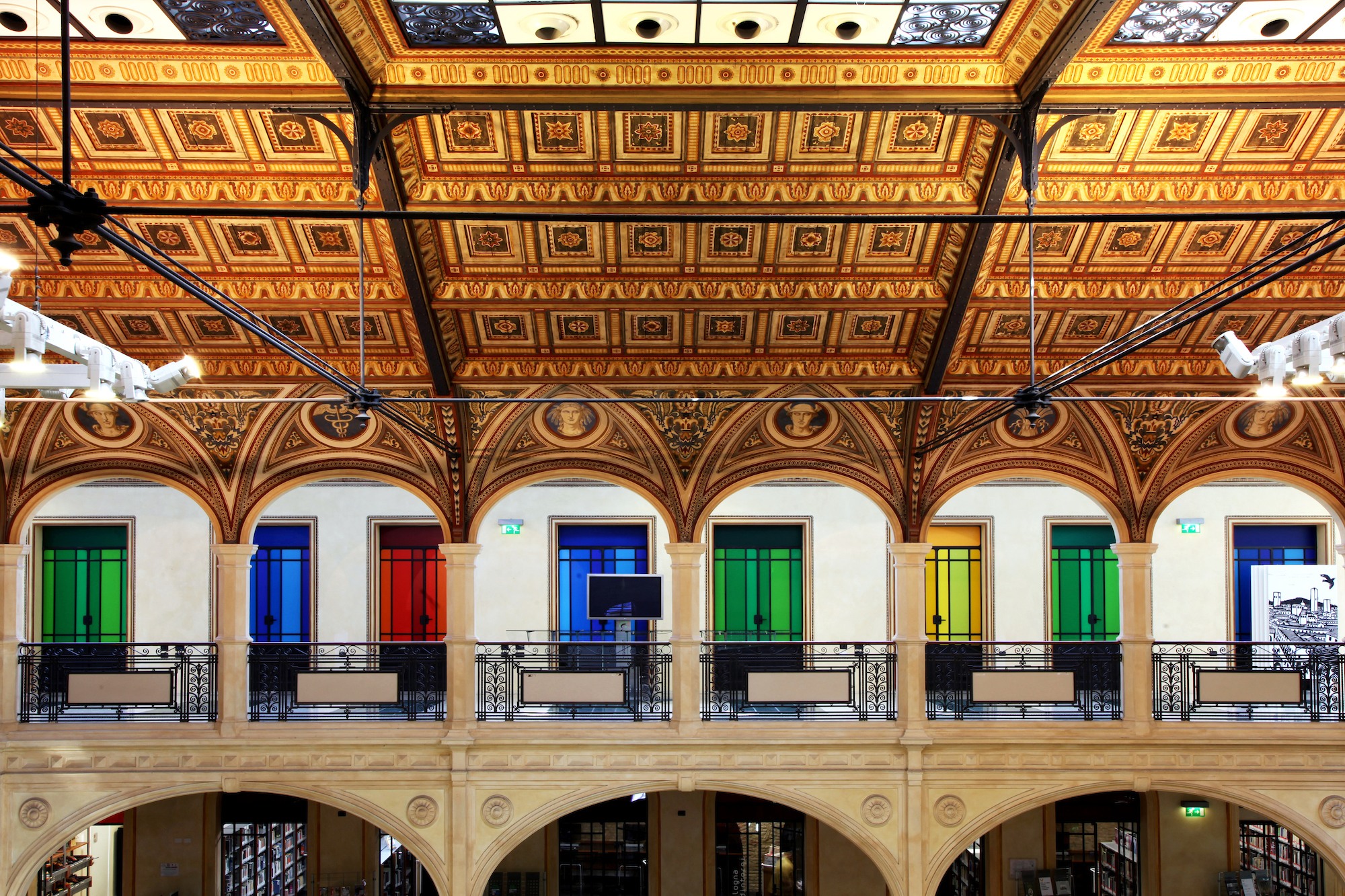
Salaborsa ©Meridiana
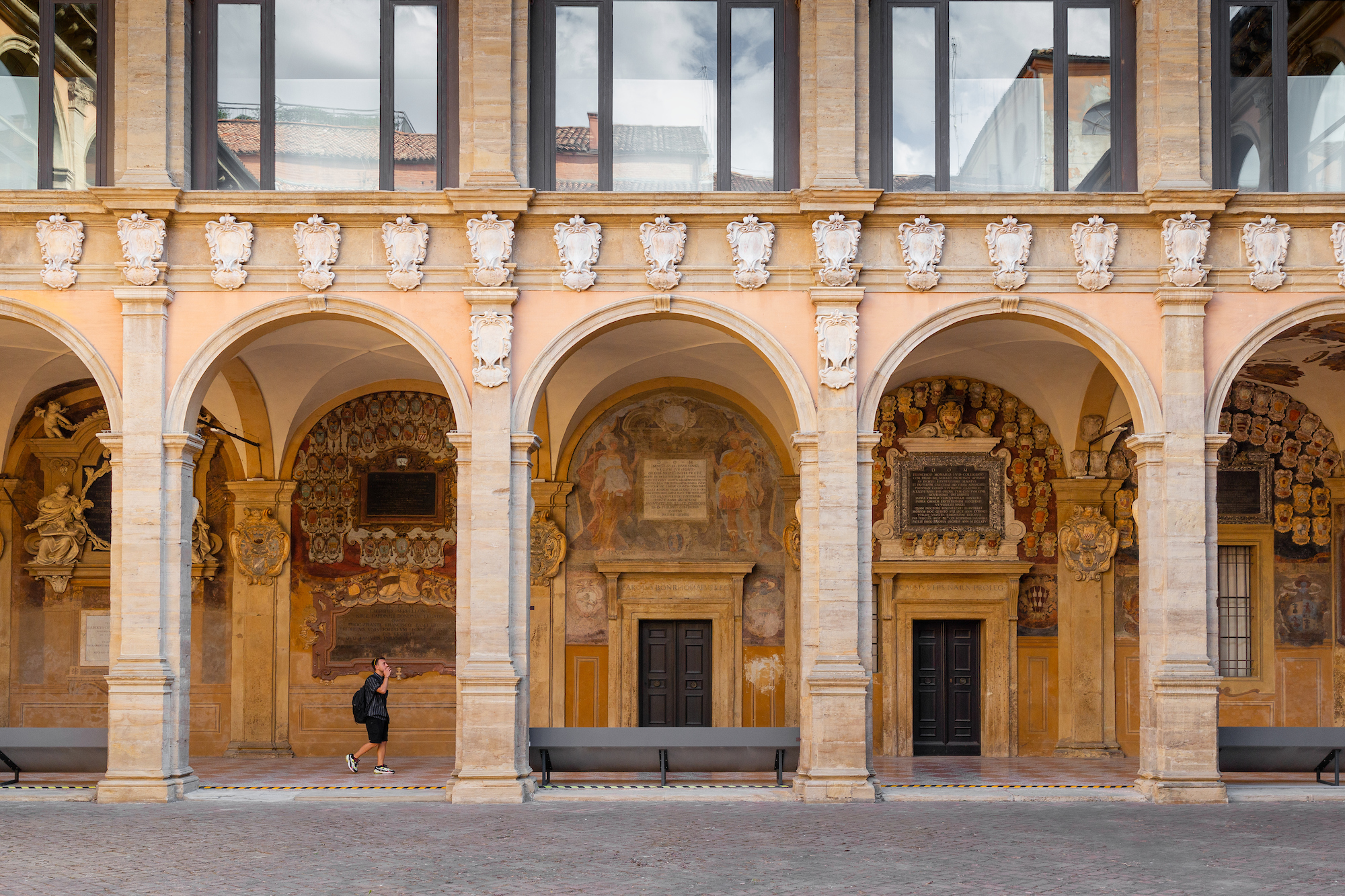
We continue our route by crossing the square and walking alongside the Church of San Petronio. This brings us to Palazzo dell'Archiginnasio, the oldest seat of the University of Bologna. From the porticoed courtyard, decorated with the coats of arms and emblems of former students who attended over the centuries, you can then visit the Anatomical Theatre, where medical lessons were once held. Still perfectly preserved, this place bears witness to the history of the oldest university in the Western world.
Book the experience at Palazzo dell'Archiginnasio and the Anatomical Theatre on the website and choose either the guided tour or the audio guide option.
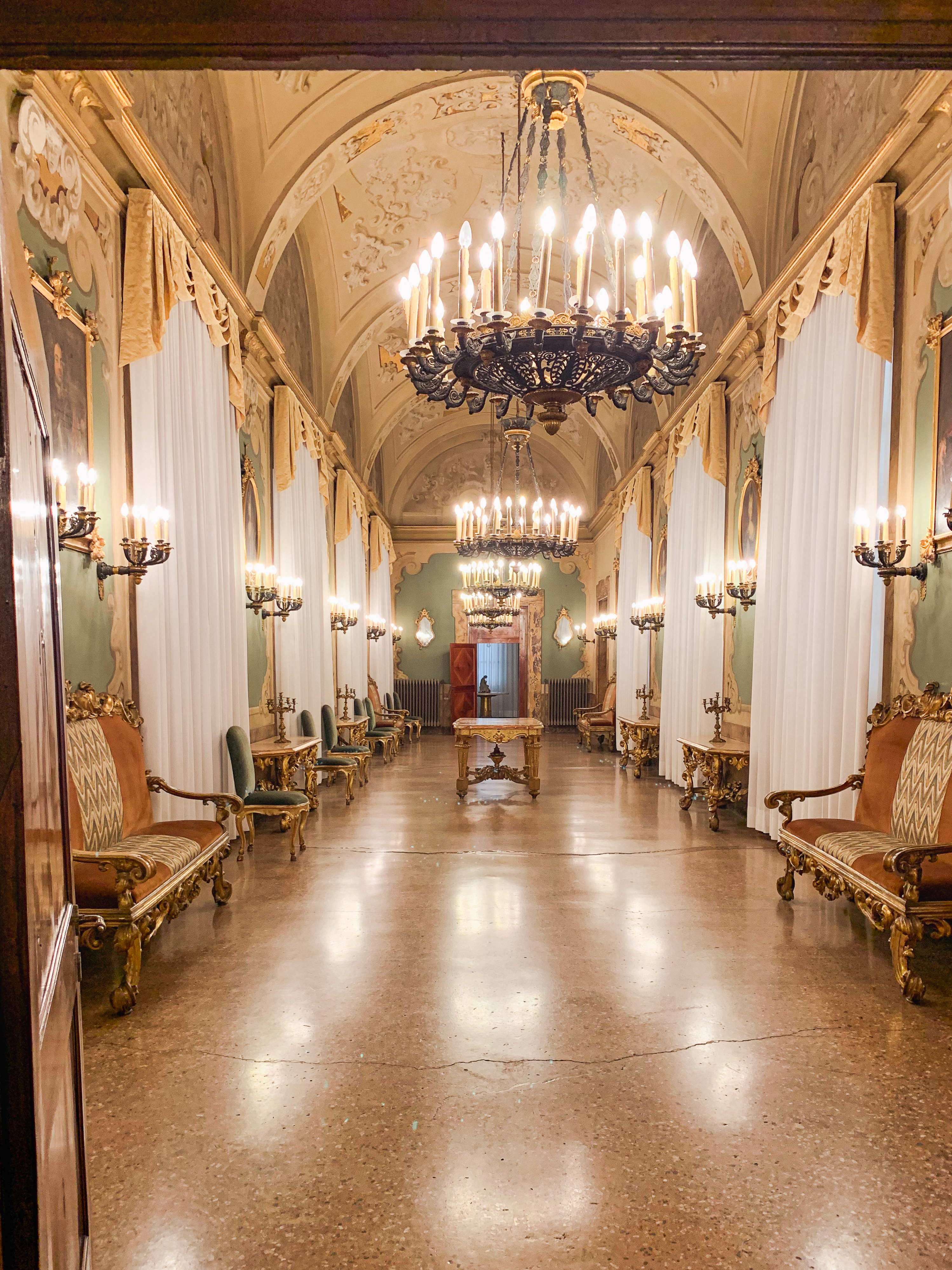
Walking along via IV novembre, Palazzo Caprara Montpensier welcomes visitors into a fascinating atmosphere steeped in history: its majestic halls take you on a journey through the political history of the city, among illustrious owners, nobles and royals, all the way to the celebrated Napoleon. Its furnishings and works of art bear witness to its long history: once a place of power and government, the palace is now home to the Prefecture of Bologna.
A magical experience is to visit the palace and attend a musical performance by the Bologna Philharmonic Orchestra inside it, like true figures from history.
Check availability and book your place!
Palazzo Boncompagni is one of the most fascinating historic residences in Bologna’s city centre. Linked to the figure of Pope Gregory XIII, it stands out for the elegance of its rooms, frescoes and famous helical staircase, a masterpiece of the Renaissance. Today it is a cultural space open to the city, ideal to include in your route exploring the historic palaces of Bologna.
Currently open to visitors with an admission ticket. Visit the official website for information
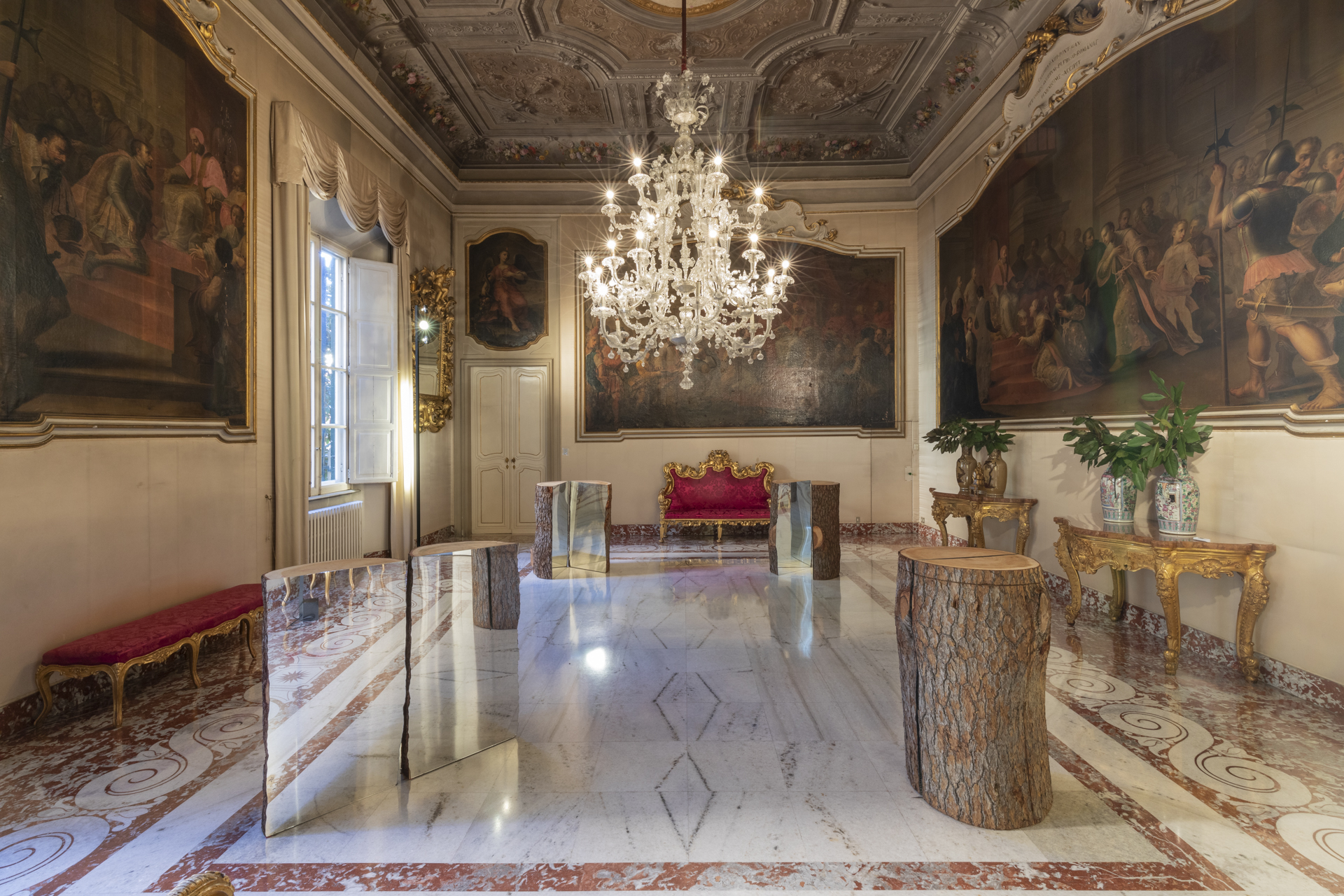
© Palazzo Boncompagni
We now move on to other splendid palaces that have become museums or are now permanent exhibition venues for international art shows.
One above all? Palazzo Fava.
With its masterpieces frescoed by the Carracci brothers, the palace often hosts high-level exhibitions and can also be visited when no exhibitions are taking place.
Then there is Palazzo Albergati with its 17th-century frescoes, Palazzo Pallavicini where Mozart performed, Palazzo Belloni with its majestic staircase, and the Renaissance Casa Saraceni. These four are all renowned palaces and residences, opening their doors for the many exhibitions that enliven the city’s art scene: an excellent opportunity to take a look around their halls between one painting and another. We recommend checking their websites to find out in real time whether they are hosting an exhibition or are closed.
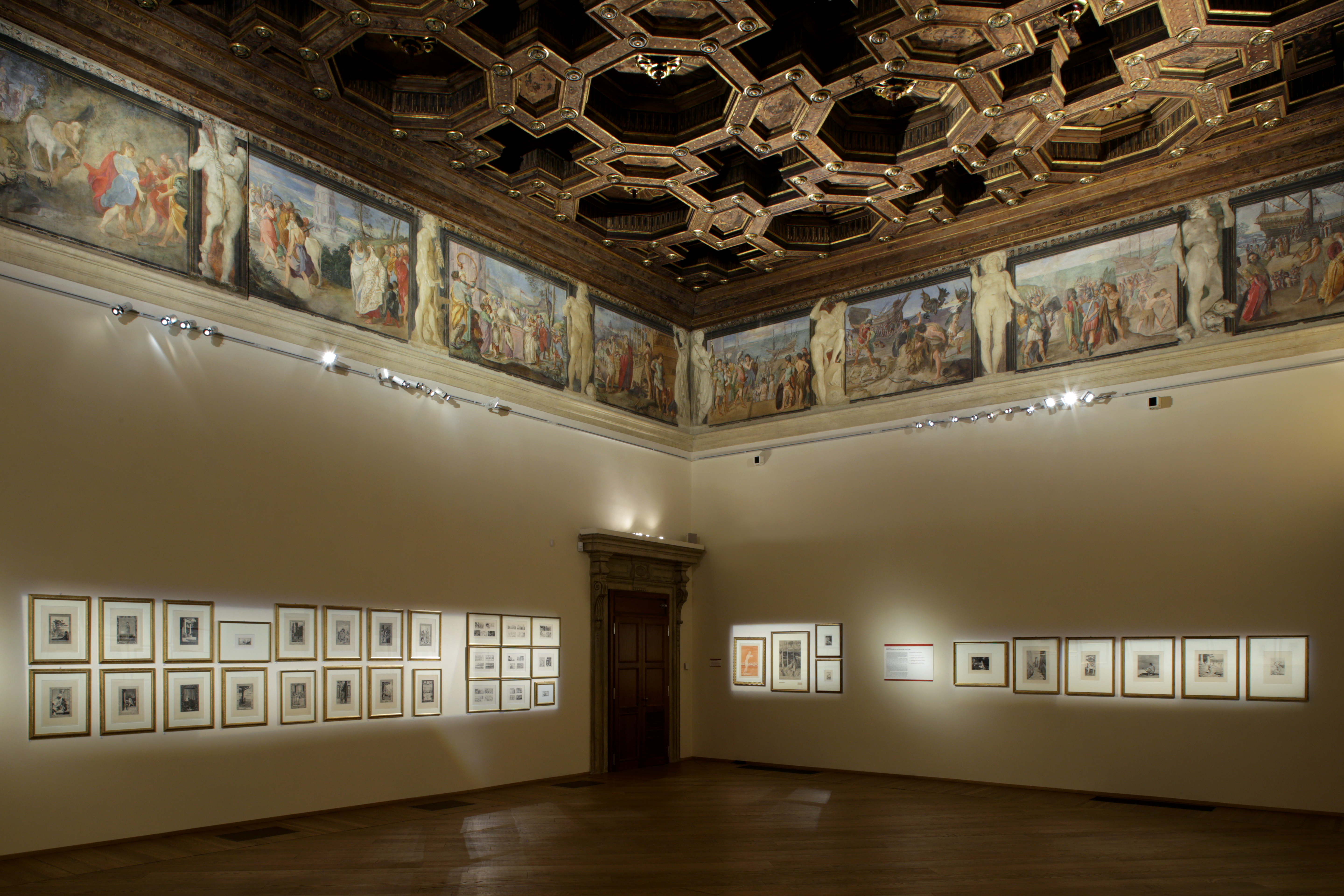
Palazzo Fava, Carracci frescoes ©Meridiana
Worthy of note are Palazzo Sanguinetti, home to the Music Museum, Palazzo Davia Bargellini, which houses the Industrial Art Museum and Palazzo Pepoli, home to the Bologna History Museum.
At the latter, do not miss its various spaces, from the exhibition gallery to the bookshop, all the way to no fewer than two floors of the Bologna History Museum with ancient and multimedia exhibits.
And if you are tired, stop in its Covered Square for a break at Caffè Storico Pepoli.
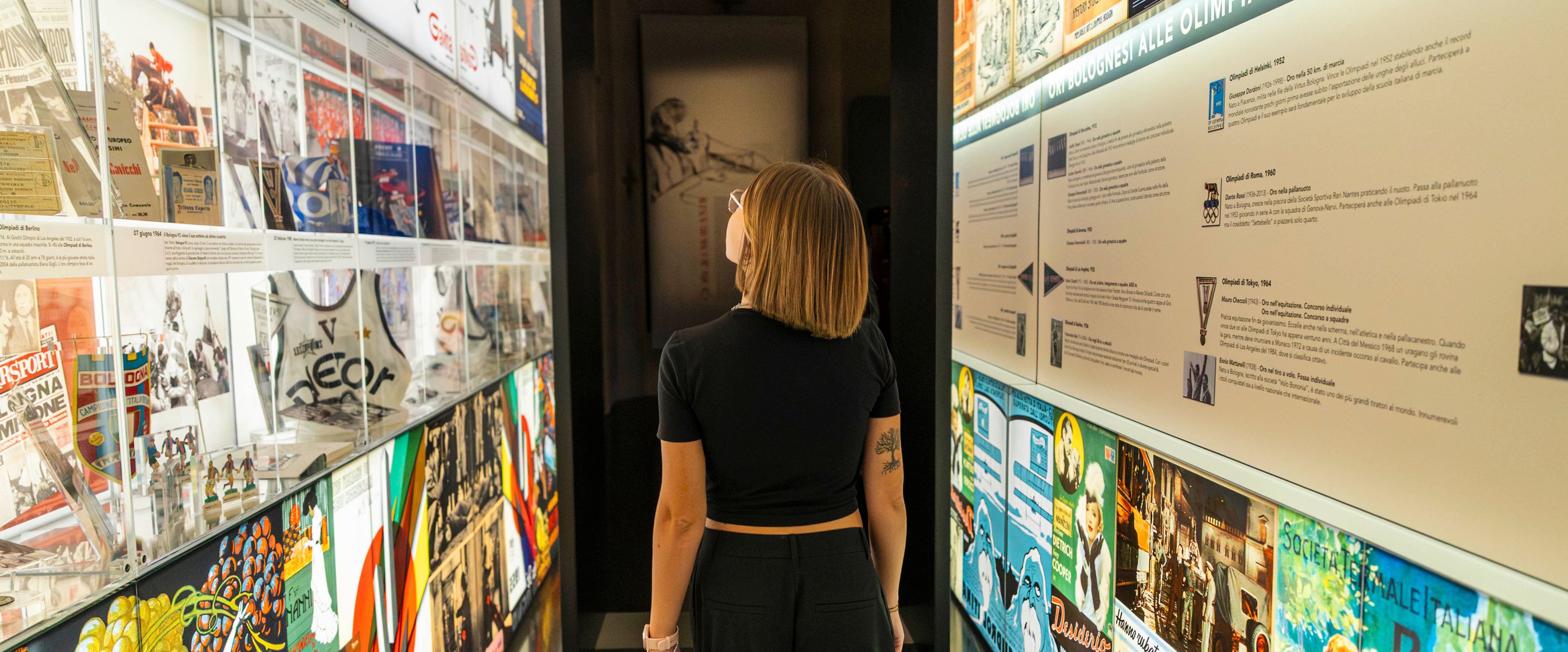
Bologna History Museum, Palazzo Pepoli ©Fotonico for BW
Finally, if you have not had your fill yet and want to continue your walk among the city’s most beautiful buildings, here are two of the many University of Bologna sites that are worth a quick look: Palazzo Hercolani (home to Political Science) and Palazzo Malvezzi Campeggi (home to Law). Here you could pretend to be students and take a look inside.
Trust us, they will not disappoint!
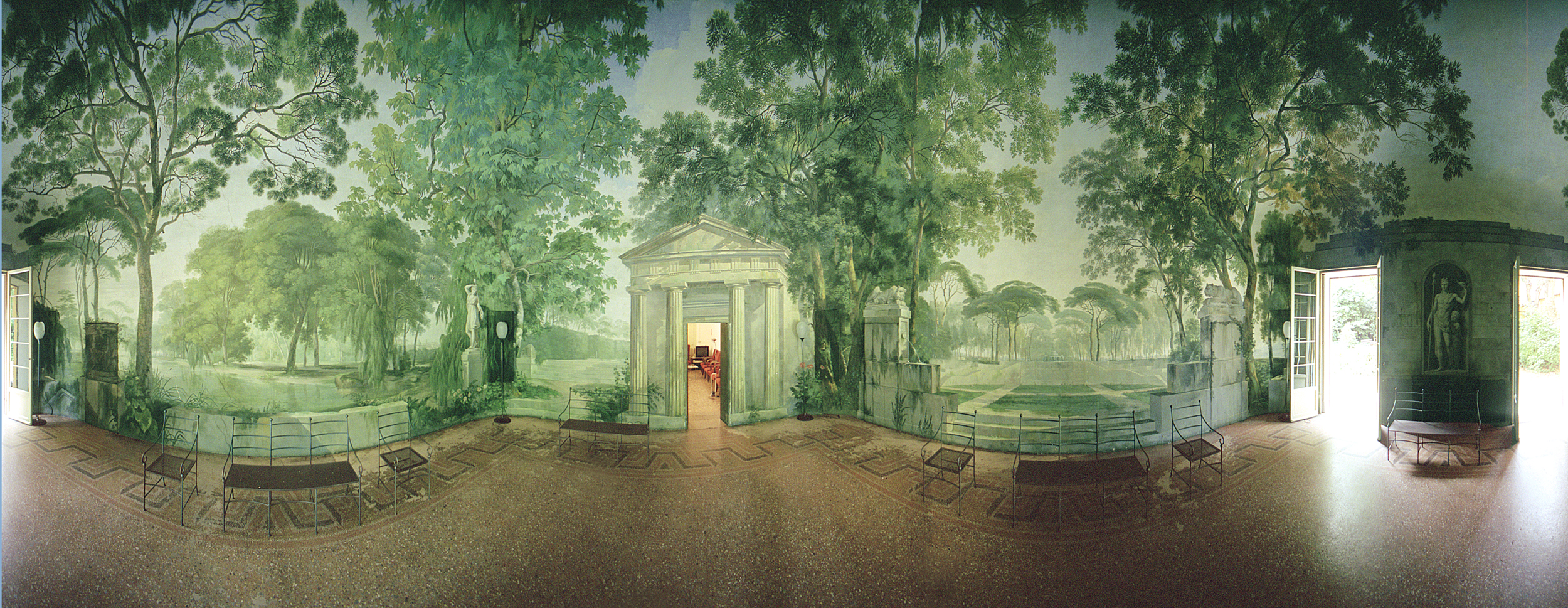
Palazzo Hercolani ©Comune di Bologna
Just as numerous and fascinating are the palaces you can reach by car, train or suburban bus.
Starting from the Plain, Palazzo Rosso in Bentivoglio is a magnificent example of the Bolognese Art Nouveau period and, since fortresses and castles dominate this area, we also find the Fortress of Pieve di Cento, originally built as a stronghold and now home to the Museum of the Stories of Pieve, regularly open to the public for visits. Also splendid is Palazzo del SS. Salvatore in San Giovanni in Persiceto, currently home to the municipal library and historical archive.
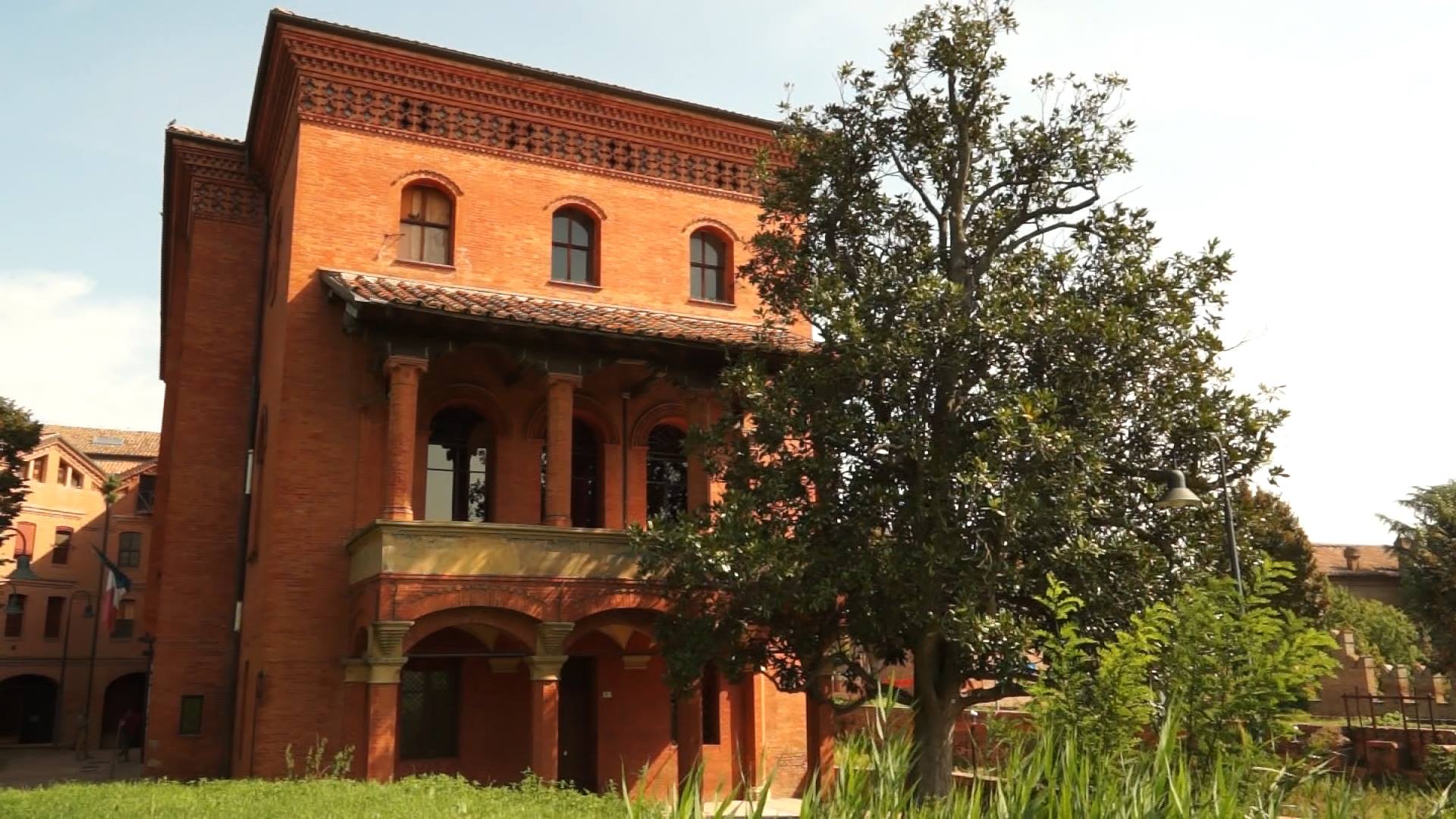
Moving towards Imola, on the other hand, the standouts include Palazzo Tozzoni, home to a civic museum, and Palazzo Vescovile, where the rooms used for the Diocesan Archive, the Diocesan Museum and the Carriage Museum can be visited. And, although it is not strictly a palace, a visit to the Hospital Pharmacy is a must: the interiors are beautifully frescoed and the original ceramic jars are displayed on the shelves.
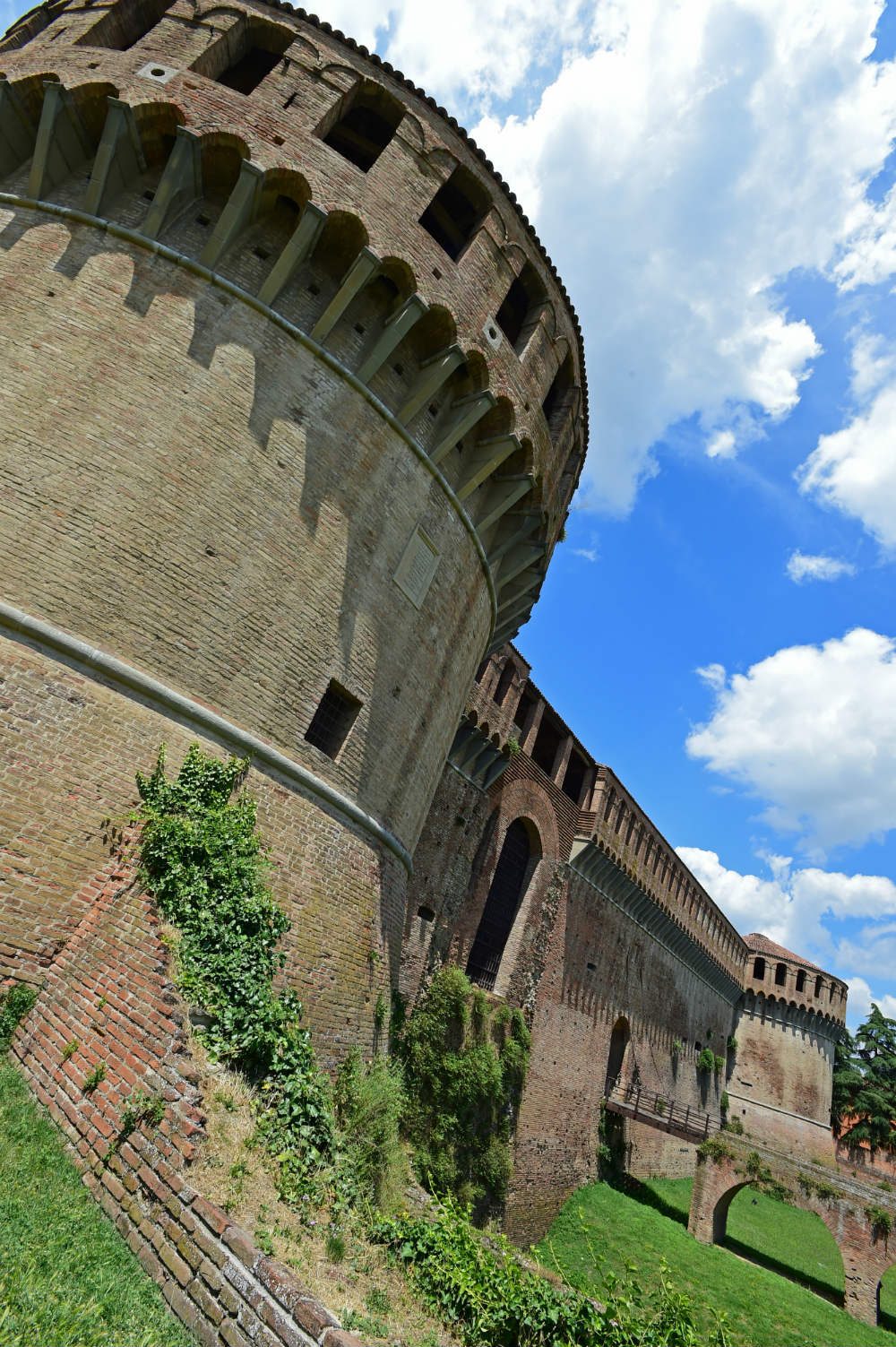
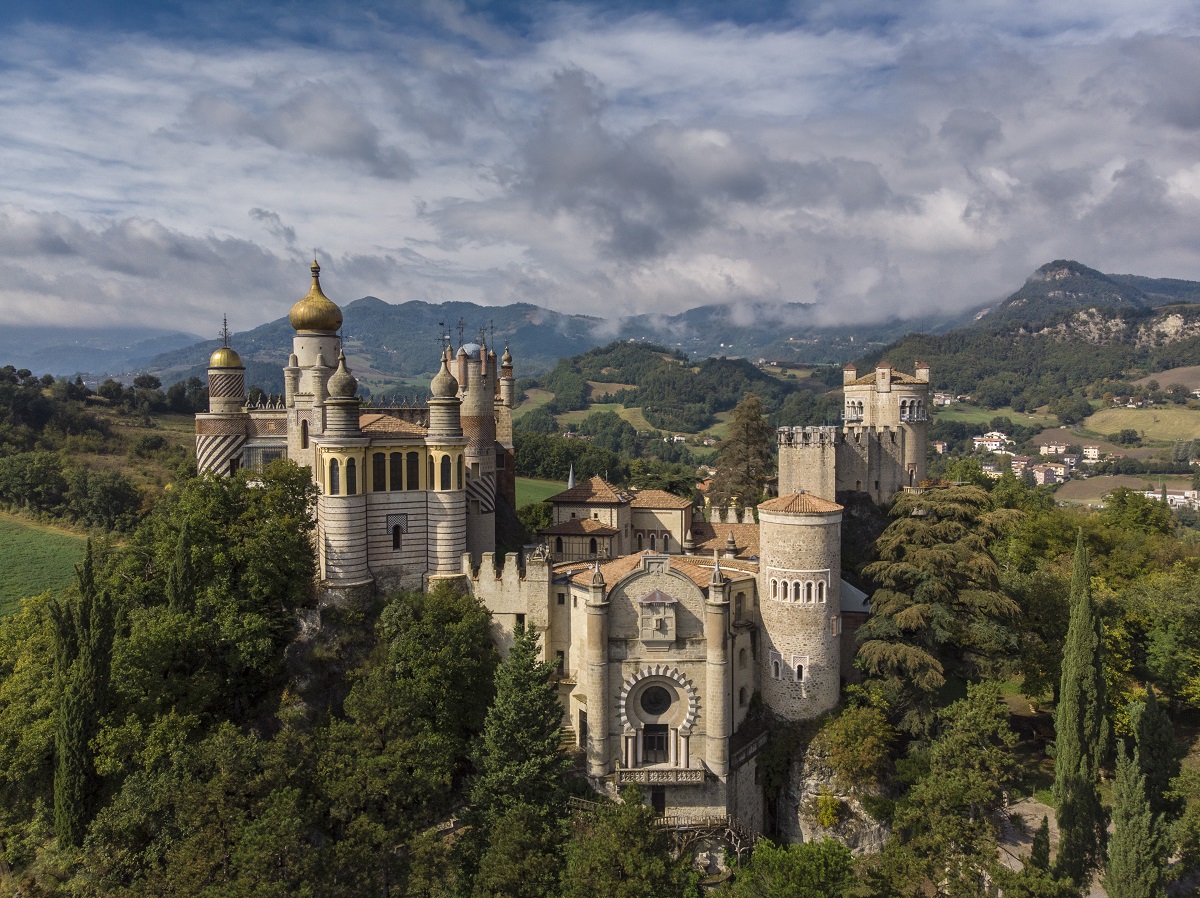
Finally, we move on to the Apennines, where historic palaces and fine residences typically take the form of castles and fortresses. The best known is certainly Rocchetta Mattei, the residence of the eccentric count after whom it is named. Not far from Porretta Terme, meanwhile, stands Manservisi Castle, whose complex houses the LabOrantes Museum, the largest museum in the Bolognese mountains, where objects and testimonies from the religious and everyday life of the people of these mountains are collected. Finally, we also recommend visiting the Bentivoglio Fortress, in Bazzano, regularly open to visitors according to the opening times of the Crespellani Museum housed inside.