Bologna’s Salsamentari: historic shops and traditional crafts
Updated on 20 October 2026 From Salsamentari 1876 Bologna

Updated on 20 October 2026 From Salsamentari 1876 Bologna
In Bologna, the history of gastronomy is also told through the streets, arcades and ancient shops of the historic centre. Did you know that mortadella was such a prized product that it was protected by specific regulations as early as the 17th century? And that salt, essential for preserving food, reached the city via a network of canals?
Behind these fascinating facts lies the history of the Bolognese Salsamentari, the artisans and traders specialising in the production and sale of cured meats and other food products, heirs to the ancient guild of the Salaroli.
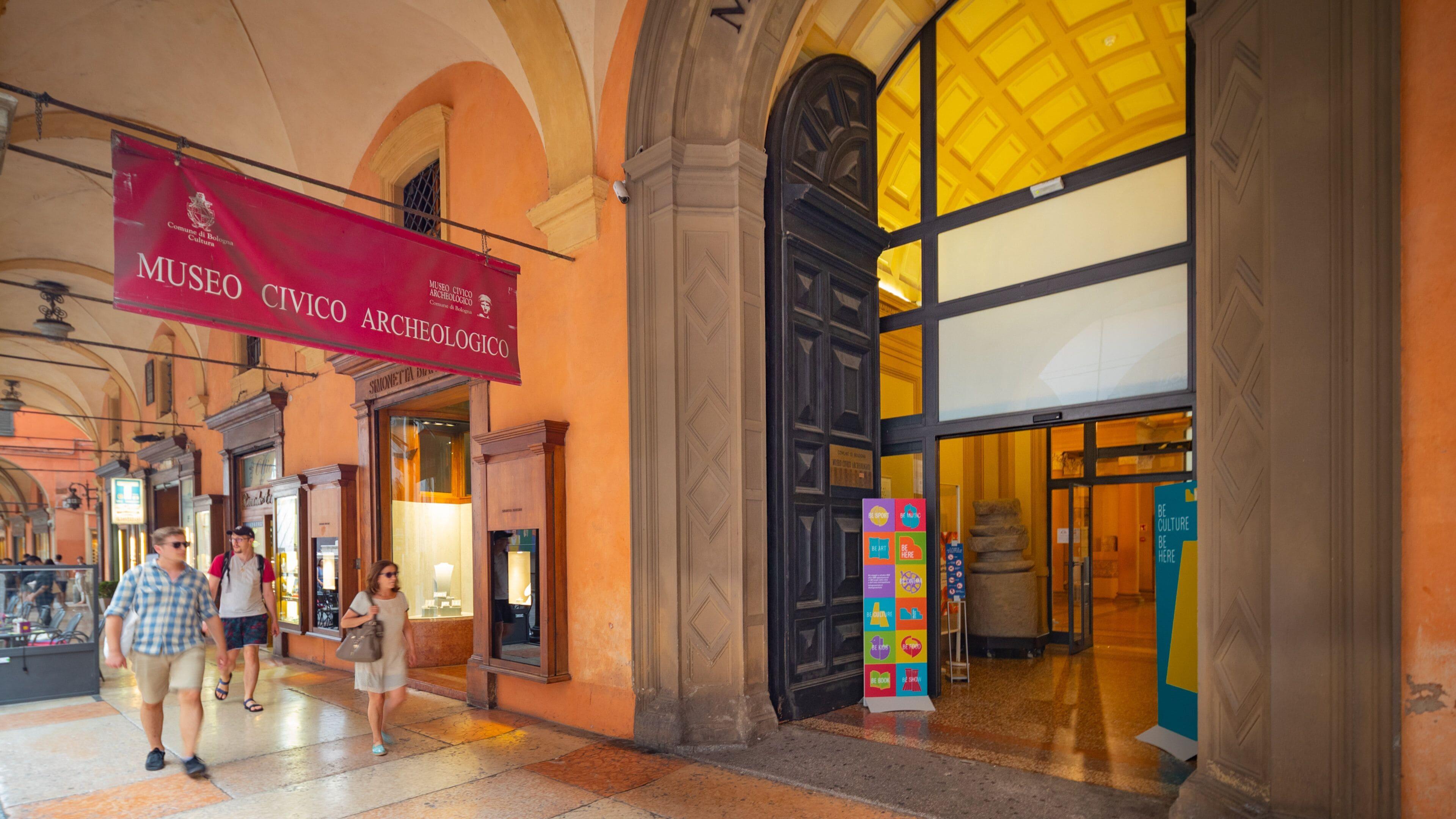
The Civic Archaeological Museum of Bologna houses a Roman stele dating from the 1st century AD depicting a man with some pigs and a mortar.
According to one theory, the name ‘mortadella’ derives precisely from ‘mortarium’, the instrument used to pound meat. This interesting fact takes us back to the origins of one of Bologna’s best-known gastronomic products, whose history has been linked for centuries to meat processing.
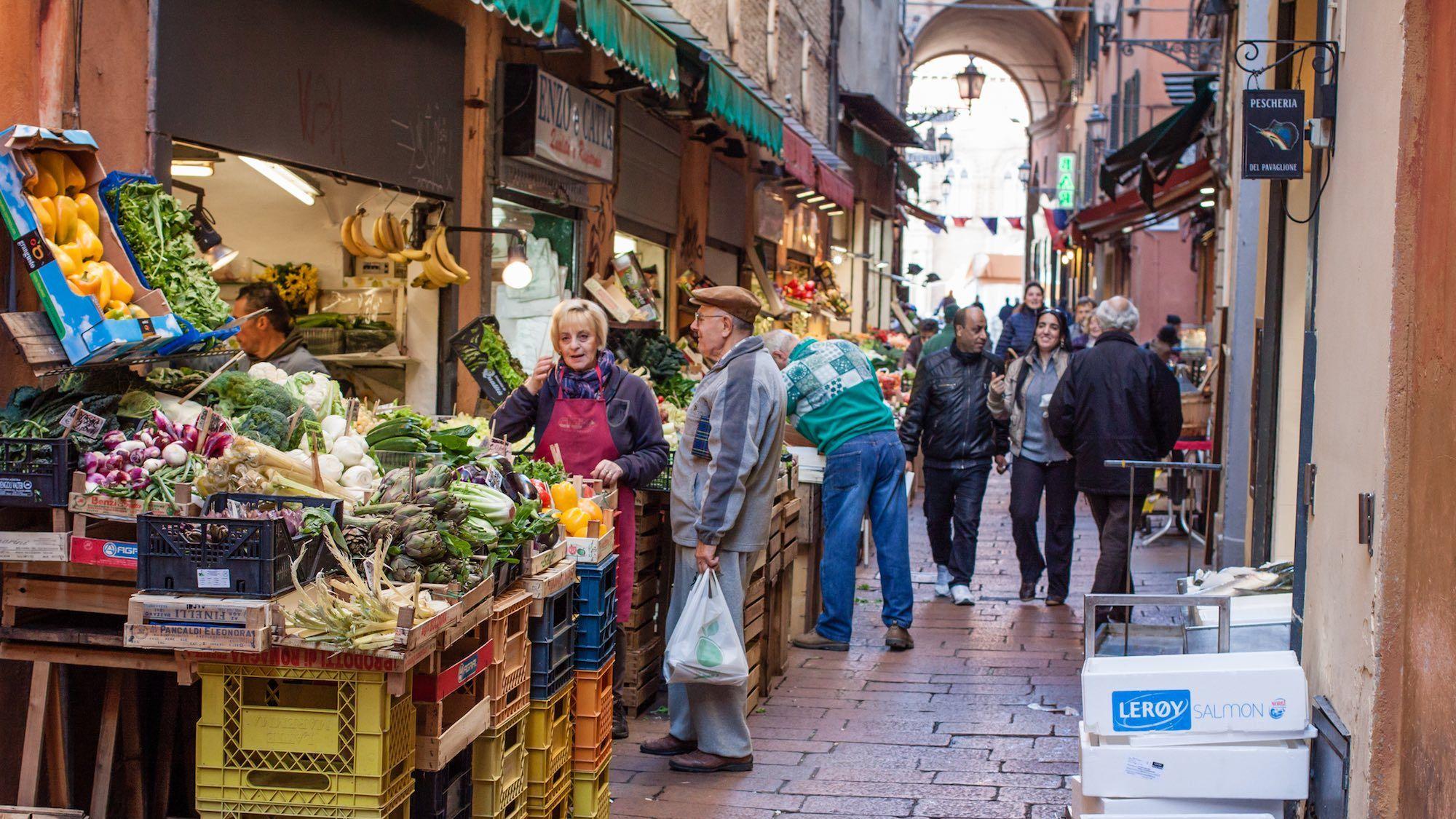
Take a stroll through the Quadrilatero, where every street tells the story of a trade: textiles in Via Drapperie, blacksmiths in Via Clavature, fish in Via Pescherie Vecchie.
This was also where the Salaroli – merchants dealing in salt, salted meats and cheeses – operated. By 1294, they had as many as 281 shops. Their symbol? A basket brimming with salt, which was extremely precious at the time.
Right in the heart of the historic centre, in Vicolo Ranocchi, was the headquarters of the ancient Arte dei Salaroli, the guild founded in the Middle Ages to bring together artisans specialising in the use of salt, which was essential for preserving food.
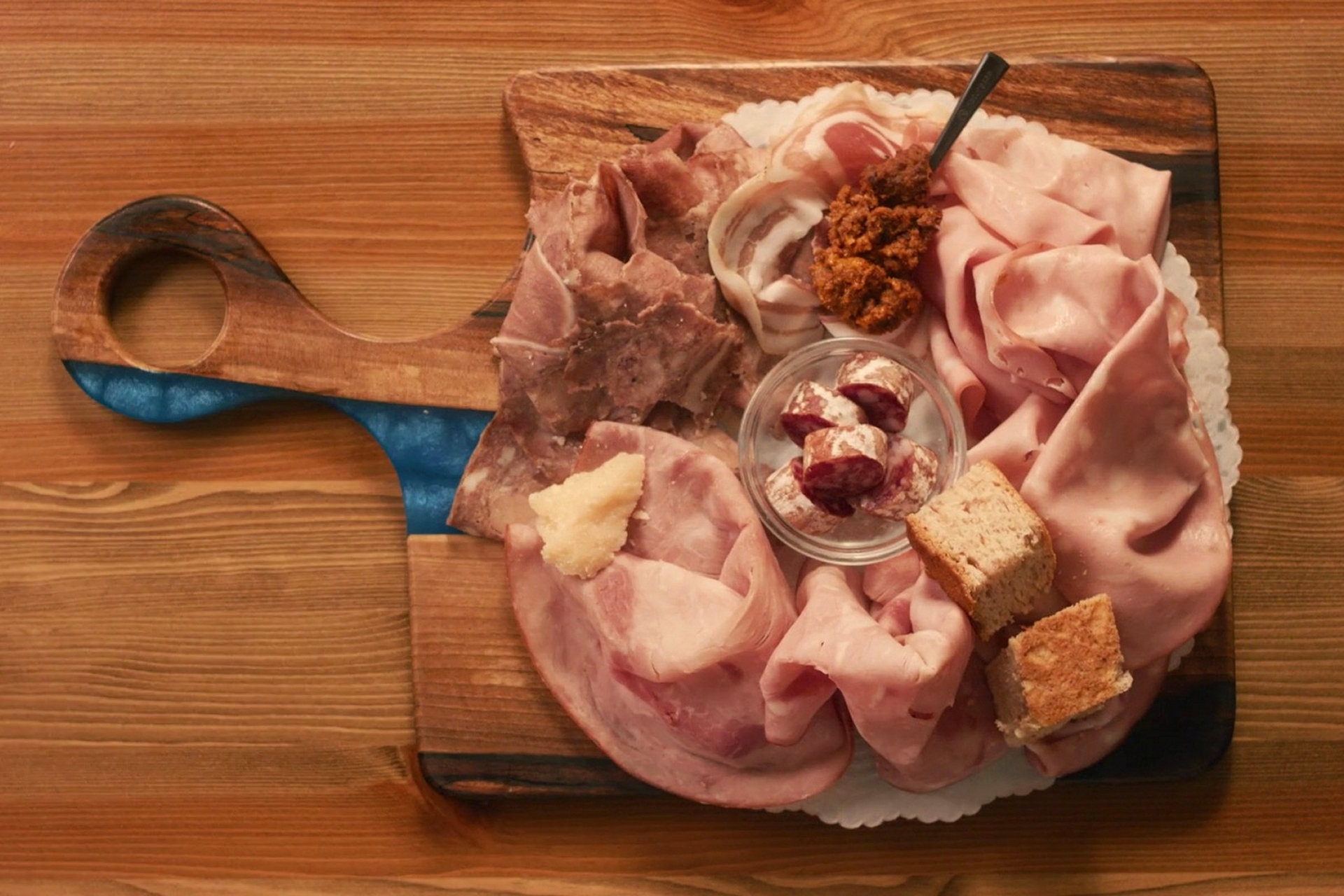
Did you know that in the 19th century, mortadella cost about three times as much as prosciutto?
As early as the 17th century, to combat counterfeiting, on 24 October 1661 Cardinal Girolamo Farnese laid down precise rules for its production: from the meat used right through to quality controls.
The Salaroli guild was responsible for overseeing the production and authenticity of mortadella, and did so by affixing a seal of guarantee.
This form of quality assurance anticipated, in some respects, the principles of modern food certification.
➝ It is no coincidence that Mortadella Day is celebrated on 24 October, a day dedicated to this symbol of Bolognese gastronomy.
It’s hard to believe, but it’s true: Bologna once even had a harbour!
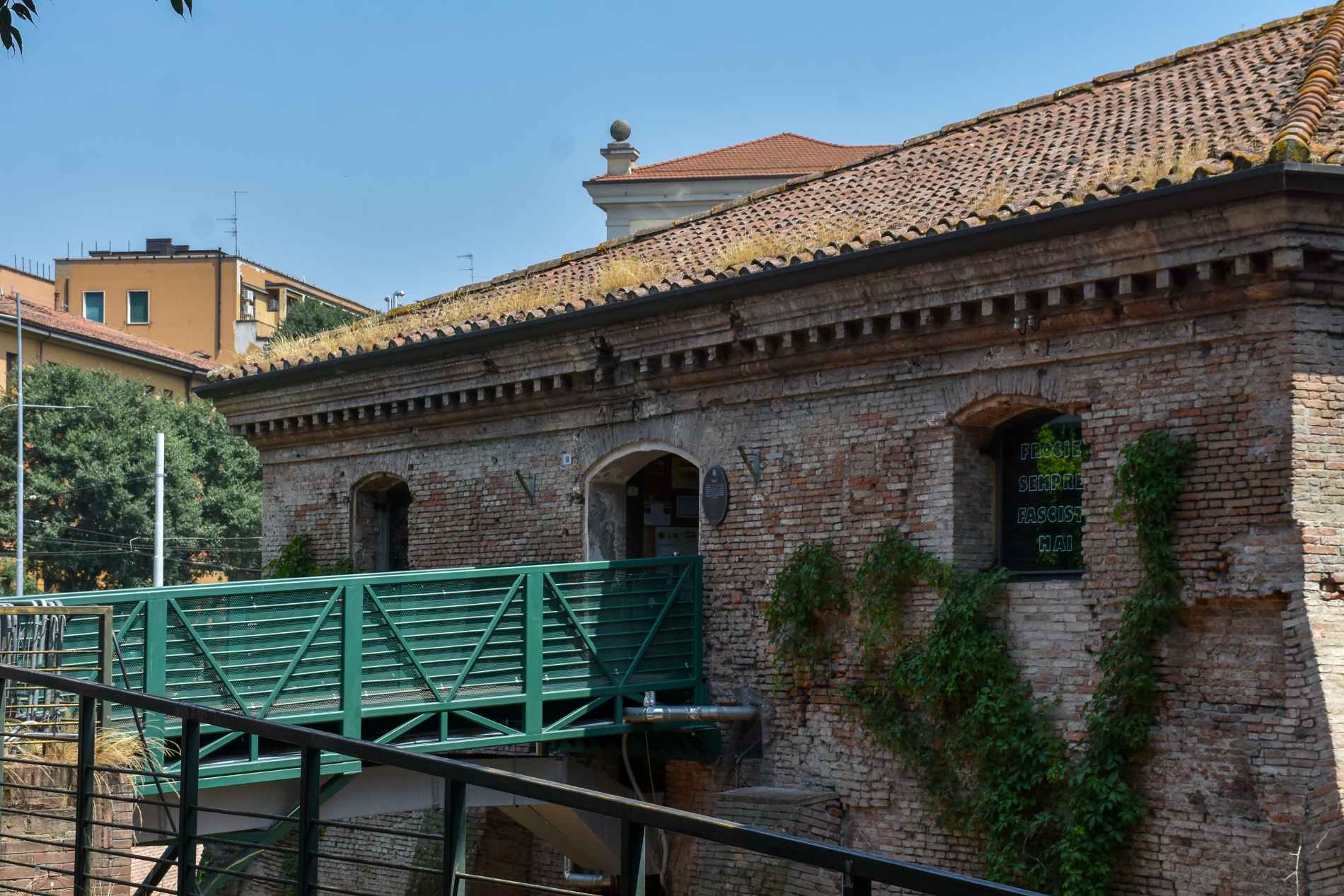
At 18 Via Don Minzoni, you can still find the Salara, an ancient salt warehouse built from 1787 onwards. Salt from Cervia arrived here via rivers and canals to be stored and distributed.
Today, the building is the last remaining trace of the city’s ancient port and bears witness to just how important the salt trade was for Bologna’s economy and for activities related to food preservation.
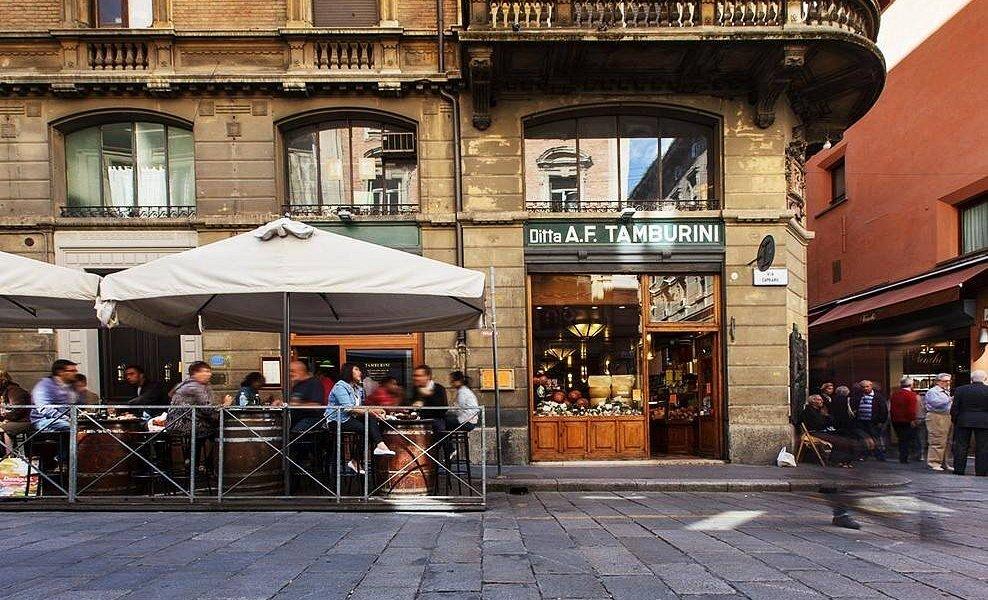
On the corner with Via Drapperie, you’ll find the historic Salsamenteria Tamburini shop, which has been in business since around 1860. It’s a place that still today showcases Bologna’s culinary culture through cured meats, local specialities and time-honoured traditions.
The history of the Salsamentari, however, does not end with the shops.
In 1876, the charcuterie owner Giuseppe Vaccari founded the Società di Mutuo Soccorso tra Salsamentari (Mutual Aid Society of Salsamentari) to revive the spirit of the ancient Salaroli guild.
The Mutual Aid Society offered assistance to members in need, provided social security support and ran literacy programmes, helping to protect workers in a sector vital to the city’s economy.
Today, the Mutua Salsamentari 1876 preserves and promotes Bologna’s gastronomic culture, keeping alive a tradition that spans centuries of history.