Home / Blog /

What to see in the Limentra Valley

Updated on 10 July 2026 From Martina Cavezza

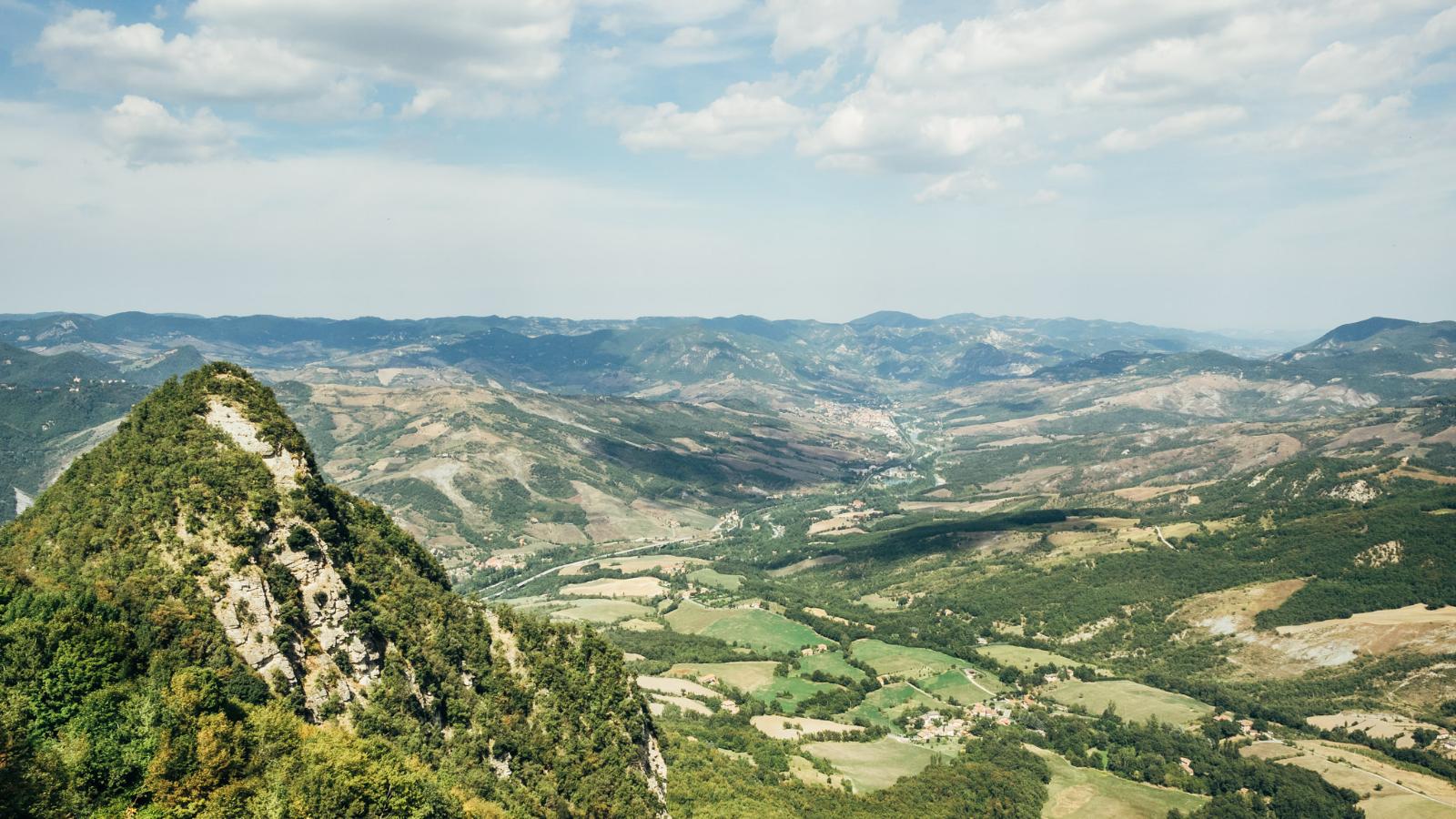
In the heart of the Tuscan-Emilian Apennines, where wooded ridges give way to picturesque valleys, lies a wild and unspoilt area: the Limentra Valley. Also known as Val di Limentra or Vallimentra, this splendid geographical area is divided into two distinct valleys — the Upper Limentra to the west and the Lower Limentra to the east — which wind their way between Bologna and the Tuscan provinces of Pistoia and Prato.

Both watercourses rise in the Pistoia Apennines from Mount La Croce, before flowing into the Bologna Apennines. Here they form the natural boundary between the municipalities of Castel di Casio and Camugnano, before becoming tributaries of the River Reno amidst the picturesque scenery of Grizzana Morandi.

A valley rich in sacred architecture, natural beauty and charming villages, enhanced by the ancient art of the Comacine masters

  • Rocchetta Mattei and the Alvar Aalto Church (Riola di Vergato)

The journey through the valley begins in Riola, a hamlet in the municipality of Vergato, where the waters of the Limentra flow past two of the Apennines’ most extraordinary architectural masterpieces, reflecting diametrically opposed eras and styles.
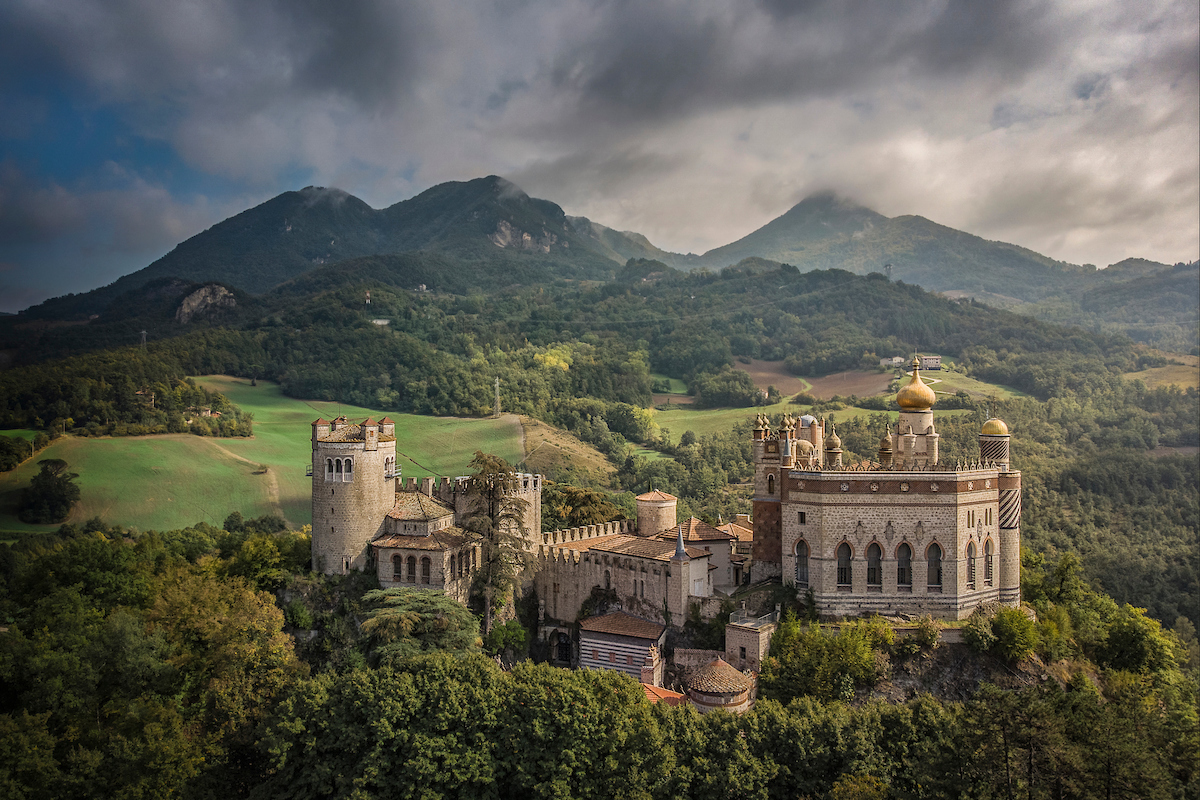
The main tourist attraction in the area is the Rocchetta Mattei, a fairytale-like structure conceived by the eclectic genius of Count Cesare Mattei. This fascinating piece of architecture blends Moorish, medieval and modern styles in a labyrinth of towers and ornate halls that leaves every visitor spellbound.
Just a short distance away, you can admire the Church of Santa Maria Assunta, the only building in Italy designed by the renowned Finnish architect Alvar Aalto, famous for its clean lines, undulating concrete forms and the way it harnesses natural light to enhance the spirituality of the space.

How to get there by car: From central Bologna, take the Strada Statale 64 Porrettana (SS64) towards Casalecchio di Reno / Sasso Marconi, continuing straight on along the Reno valley as far as Riola. Alternatively, you can take the A1 motorway, exit at Sasso Marconi and join the SS64.
Journey time: approximately 1 hour (around 50 km).


  • Borgo La Scola and Montovolo (Grizzana Morandi)

Leaving Riola and heading up the valley slopes, you come across Borgo La Scola, a very picturesque spot where time seems to have stood still. Here, the stone tower-houses bear witness to the architectural mastery of the Comacini masters, a guild of itinerant builders, masons and sculptors active between the 7th and 8th centuries.
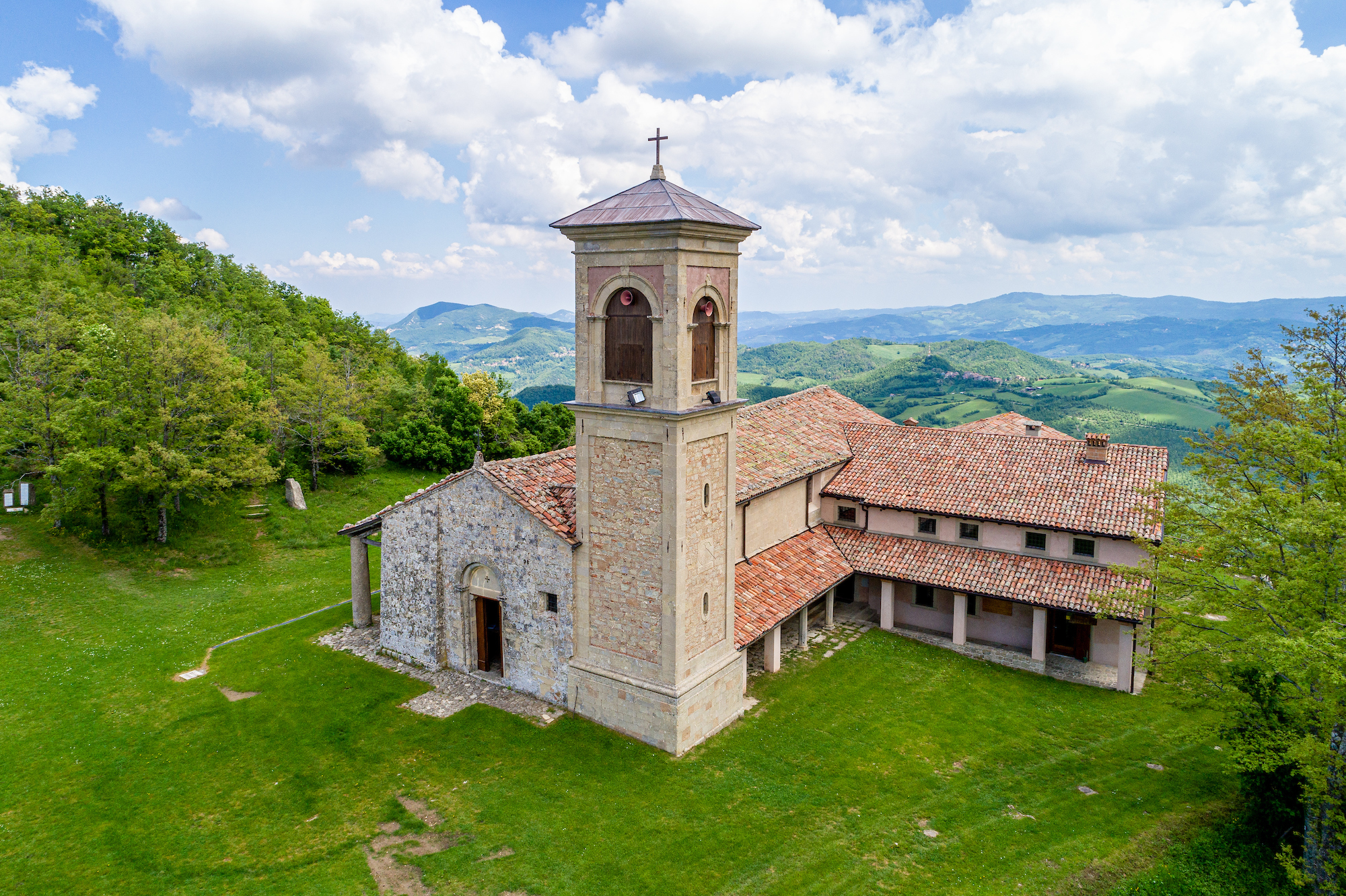
Leaving the hamlet behind, the road climbs gently upwards towards Montovolo. Regarded since ancient times as the ‘sacred mountain’ of the Bolognese Apennines, this peak is home to the Sanctuary of Santa Maria della Consolazione at its summit and the nearby Oratory of Saint Catherine of Alexandria, places of deep devotion immersed in an atmosphere of absolute silence and peace. The entire area lies within the Montovolo – Monte Vigese Provincial Park, established due to the site’s geological and historical-cultural significance. The park also includes a WWF nature reserve that protects the area’s biodiversity.

How to get there by car: From Riola (Stage 1), continue along the SP24 and follow the signs for Vimignano/La Scola. To reach Montovolo, continue uphill along the scenic road (Via Montovolo). From Bologna city centre, take the SS64 Porrettana to Riola and then take the turn-off.
Journey time: 1 hour and 15 minutes from central Bologna (approximately 55 km); just 10–15 minutes from Riola.


  • Lake Suviana and the Camugnano Ecomuseum

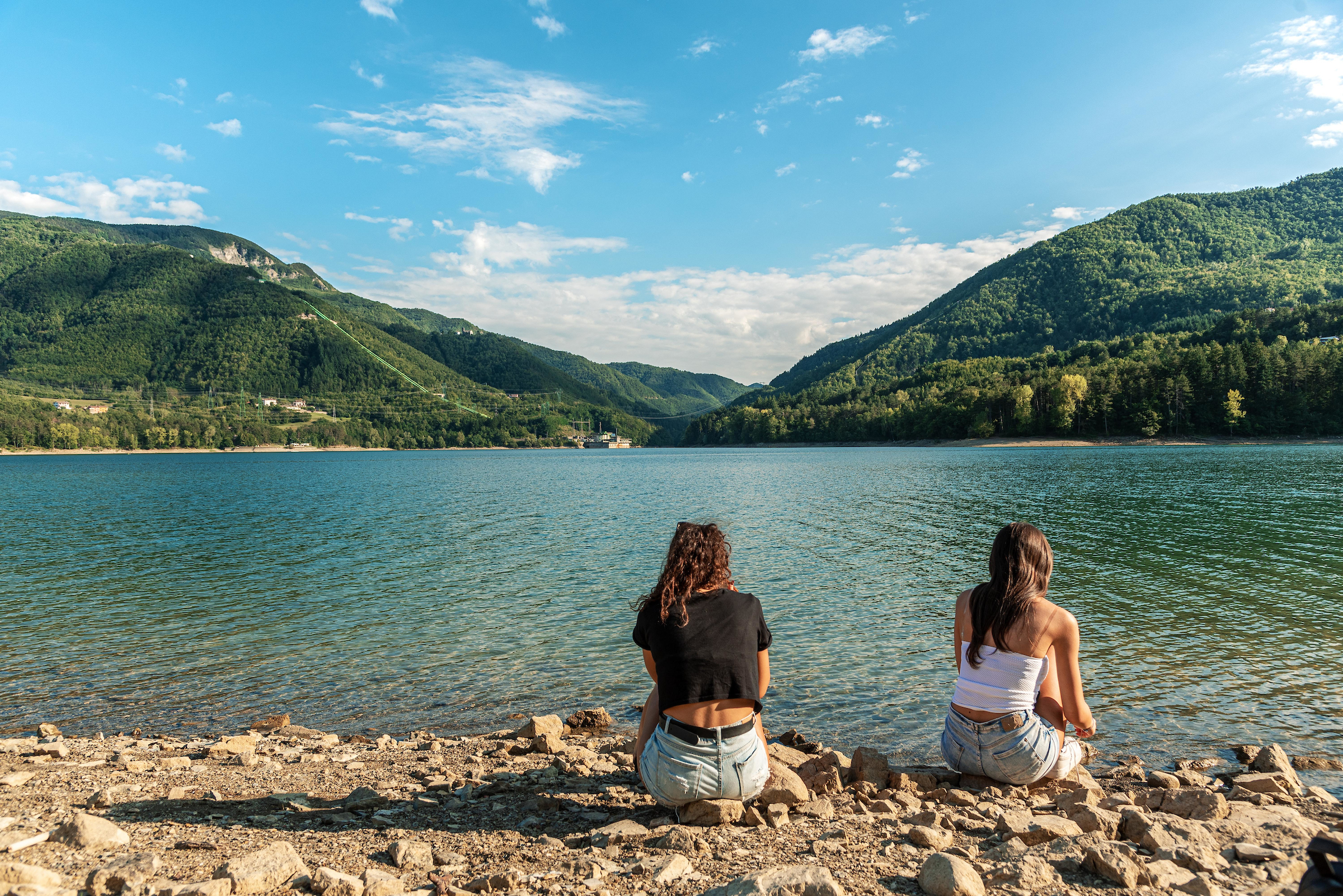
Continuing the journey through the valley, you arrive at Camugnano, a town in the Bolognese Apennines where you can sense the deep connection between people, architecture and water. Here you’ll find the splendid expanse of water that is Lake Suviana, fed by the lower reaches of the Limentra and an ideal destination for relaxation, hiking and water sports.
Near the reservoir, in the picturesque hamlet of Ca’ Melati in Bargi, Palazzo Comelli is well worth a visit: an imposing building of medieval origin that exemplifies the architecture of the upper middle classes in the Bolognese mountains. Together with the nearby Molino Cati — now home to the charming Bread Museum — the palace forms the beating heart of the Camugnano Ecomuseum, a project created to preserve the valley’s rural and productive traditions.

How to get there by car: From central Bologna, the quickest route is via the A1 motorway (Direttissima or Panoramica), exiting at Badia or Rioveggio, then continuing towards Castiglione dei Pepoli and Camugnano/Lago di Suviana. If you take the SS64 Porrettana, pass Riola and turn left, following the signs for Suviana.
Journey time: 1 hour and 15 minutes via the A1 (approximately 65 km).


  • Chiapporato, Stagno and Vigo (Camugnano)

For lovers of historic scenes frozen in time, the Limentra Valley preserves corners of the Apennines that have remained untouched. The hamlets of Stagno and Vigo — the latter famous for the ancient silhouette of its fortress and its distinctive church — offer a nostalgic glimpse into mountain life of days gone by.
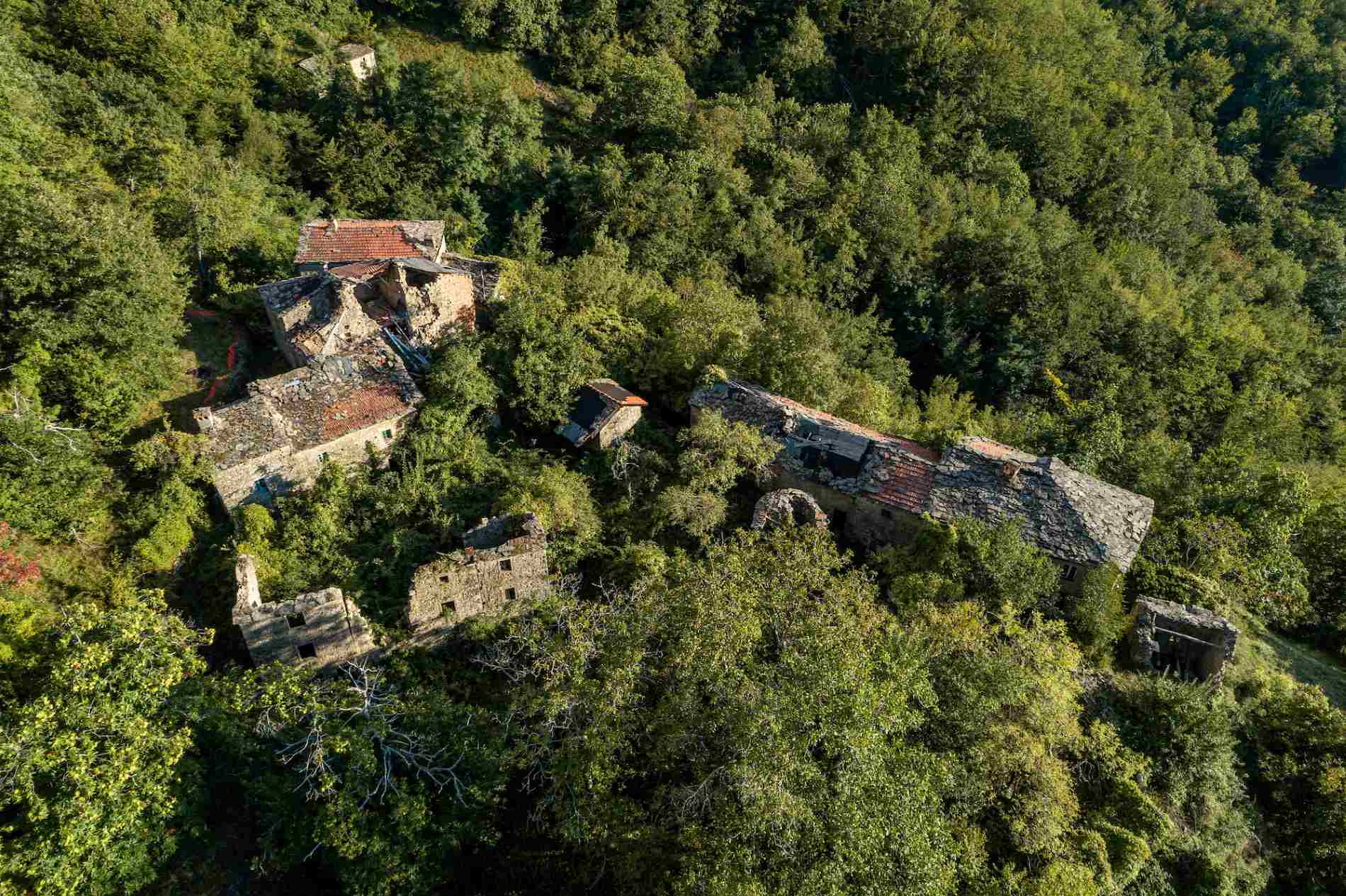
Walking along the valley’s paths, you may also come across Chiapporato, a charming, almost completely abandoned hamlet nestled in the woods, where the stone houses bear witness to the resilience of the ancient local communities. Motor vehicles are prohibited here to help preserve the tranquillity and unspoilt natural beauty of the village.

How to get there by car: From central Bologna, take the SS64 Porrettana to Marano/Riola, then turn off towards Camugnano, following local signs for Vigo and Stagno. Chiapporato can be reached by leaving your car near Stagno or the Pavana reservoir and continuing on foot along the CAI footpath.
Journey time: 1 hour and 25 minutes to Vigo and Stagno (approximately 60 km).


  • The ancient forests and the historic Castrola Bridge (Castel di Casio)

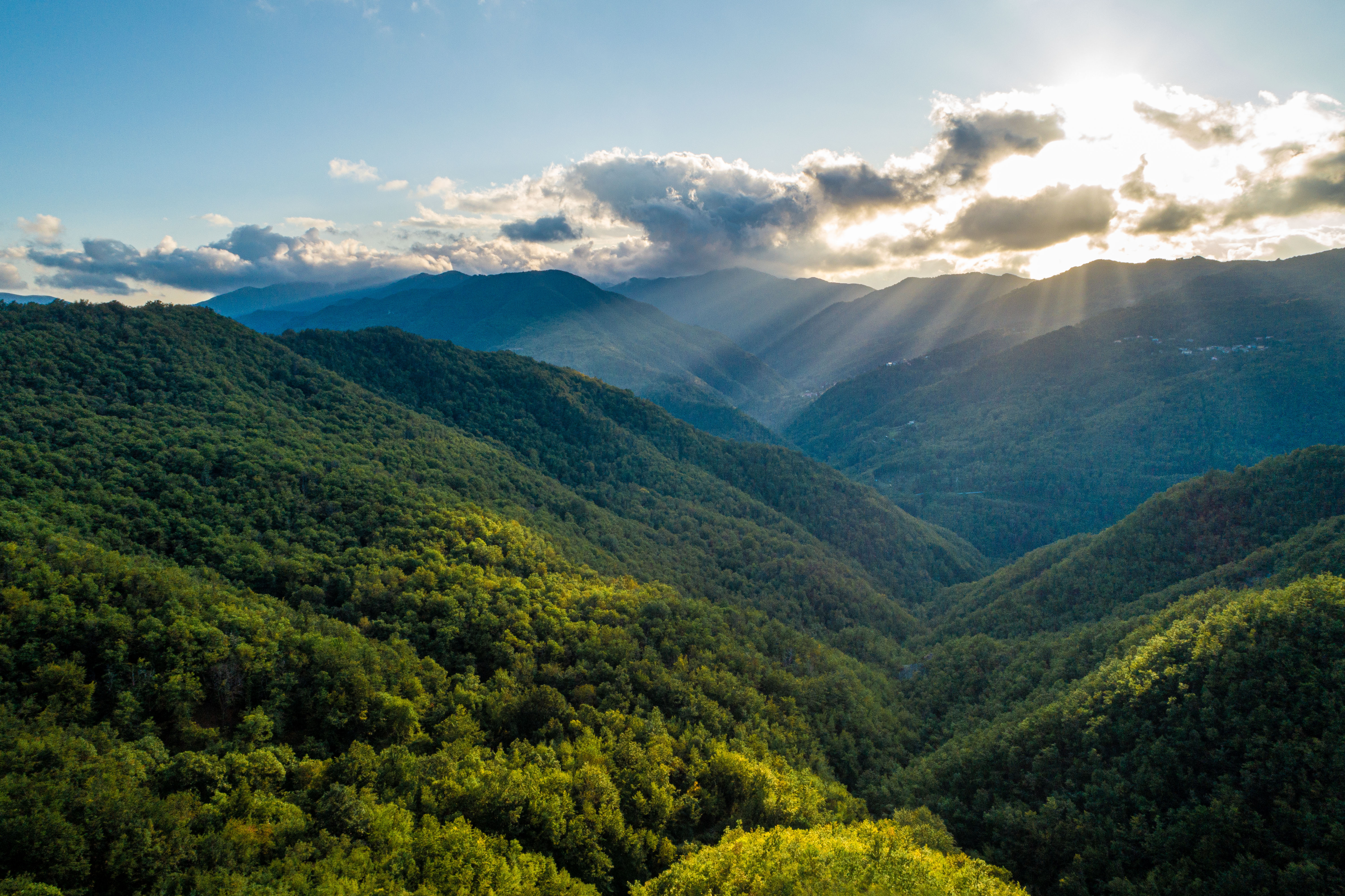
The unspoilt natural landscape is the valley’s greatest treasure. The area’s imposing ancient forests are home to wetlands of extraordinary interest and a rich and varied fauna, thanks to the many different habitats present. In the lower Limentra, for example, the spectacular Limentrella di Treppio flows into it; this stream is home to trout and the rare dipper, a bird so closely associated with mountain streams that it is nicknamed ‘the king of the waterfalls’.
In the less developed parts of the valley, it is possible to spot red deer, roe deer, wild boar, porcupines, squirrels and foxes, as well as the natural return of the wolf. The rivers, meanwhile, are home to common gobies, barbel and freshwater crayfish.
Finally, acting as the ideal link for the footpaths that wind their way into the woods is the historic Castrola Bridge, an ancient stone structure spanning the stream and offering unforgettable photo opportunities – the perfect starting or finishing point for exploring this extraordinary green oasis in the Bolognese Apennines.

How to get there by car: From central Bologna, take the SS64 Porrettana to Vergato, then turn off towards Castel d’Aiano/Castrola, or go via Riola and head up towards the inland hamlets of Castel di Casio. The bridge is situated on the road linking the slopes of Castel di Casio and Camugnano.
Journey time: 1 hour and 15 minutes (approximately 55 km).
Martina Cavezza, editor FBW
Edited by
Editor for eXtraBO
A curious explorer with a passion for trekking and photography, I discover the world one step at a time. I have been writing for bolognawelcome.com and editor for extrabo.com since 2022.
©2026. Fondazione Bologna Welcome - All rights reserved
Newsletter

Newsletter

Discover Bologna Welcome's newsletters and choose the one that suits you best: events, tips, tours delivered directly to your inbox

Subscribe