Street art in Porretta Terme: a tour of murals and the Porretta SOUL Festival
Updated on 03 June 2026 From Martina Cavezza

Updated on 03 June 2026 From Martina Cavezza
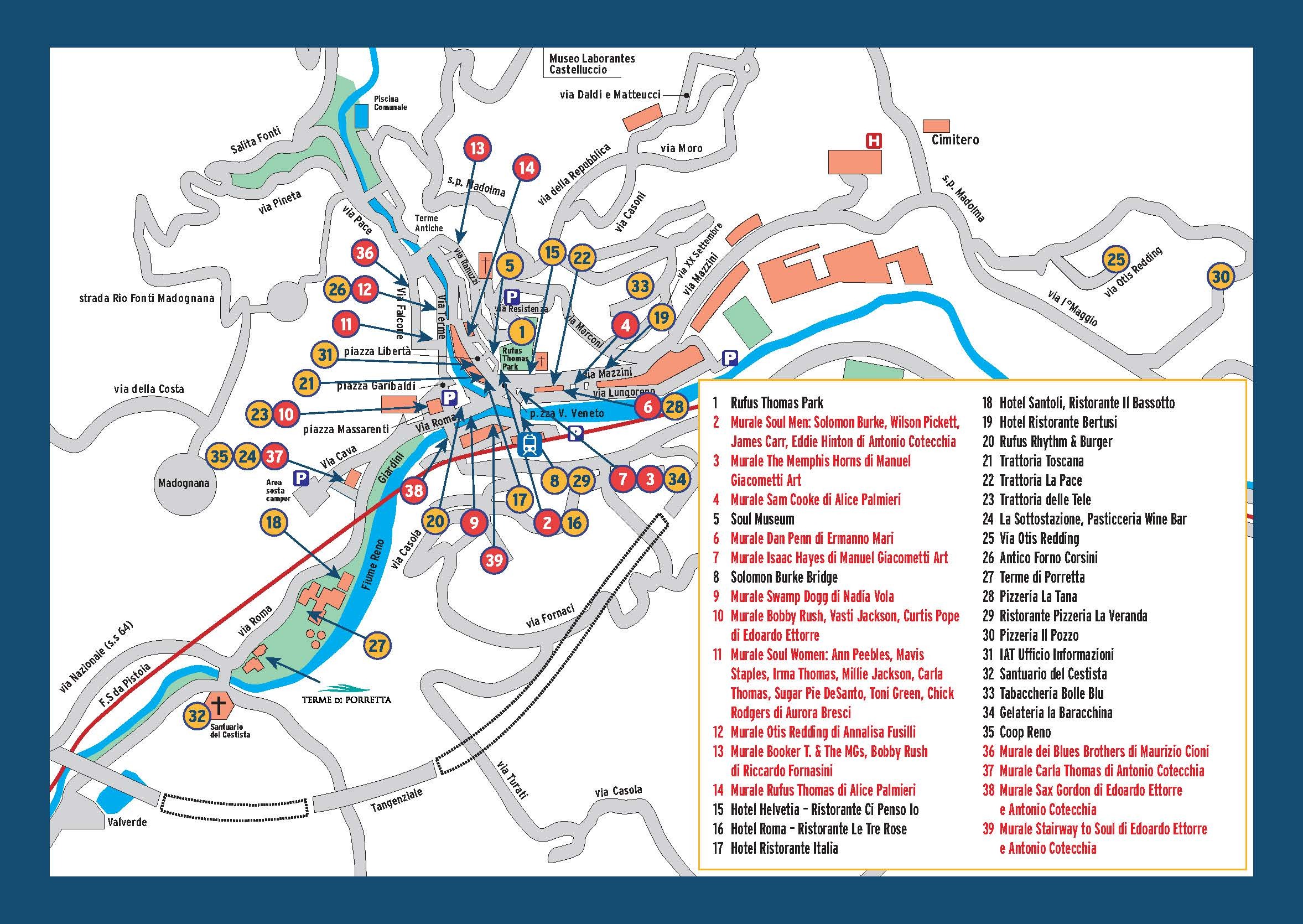
As soon as you arrive in Porretta Terme, you immediately realise that Soul can be felt in every corner and is not confined to Rufus Thomas Park alone: it can be found on the walls, in the street names and along the Reno River. This walking itinerary guides you through the murals connected to the renowned Porretta SOUL Festival, following an easy route that is also perfect for a weekend of thermal baths and leisurely walks.
The tour begins near the railway station. The mural is dedicated to Isaac Hayes, best known for the theme song of Shaft (winner of the Academy Award in 1972). The artwork serves as a monumental welcome poster to Porretta.
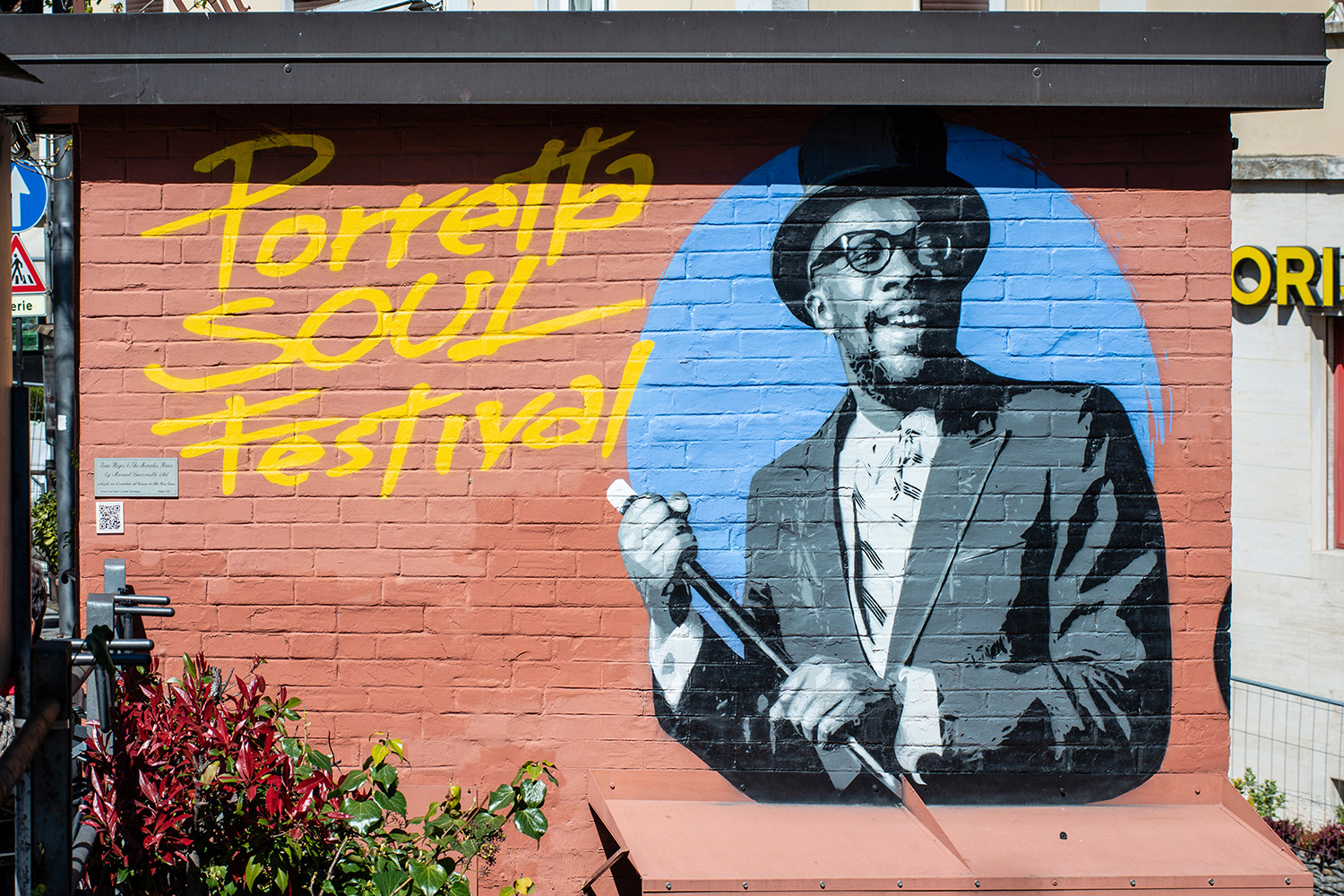
© Ph. Giorgio Barbato
Remaining in the railway station area, you will come across the artwork dedicated to Swamp Dogg, an ironic and unconventional cult figure of American music. He made his debut in Porretta in 1998 (marking the historic reconciliation with Solomon Burke) and returned in 2011 and 2018.
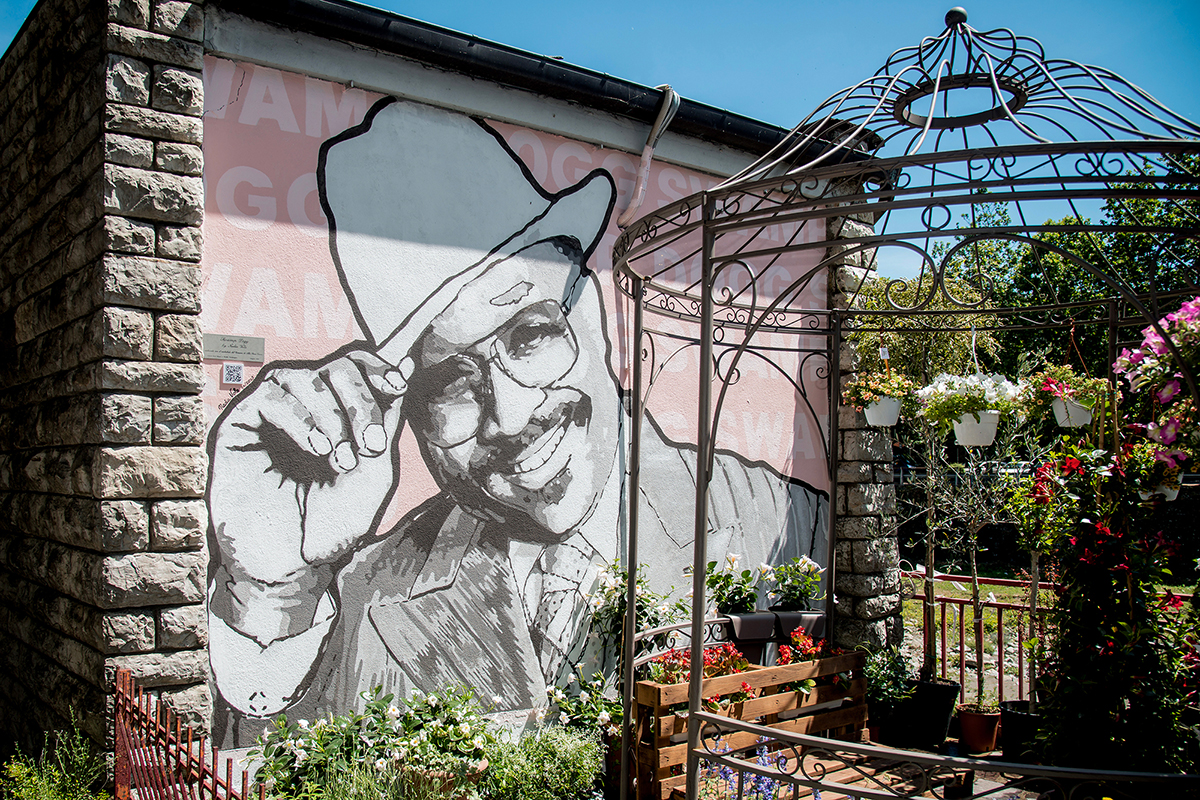
© Ph. Giorgio Barbato
In Piazza delle Tele (now Piazza Garibaldi) stands one of the most photogenic pieces of the itinerary: a 12-metre-high artwork dedicated to Bobby Rush, a living legend of the Chitlin’ Circuit, two-time Grammy Award winner and inductee into the Blues Hall of Fame. Alongside him are portrayed guitarist Vasti Jackson and trumpeter Curtis Pope of the Midnight Movers.
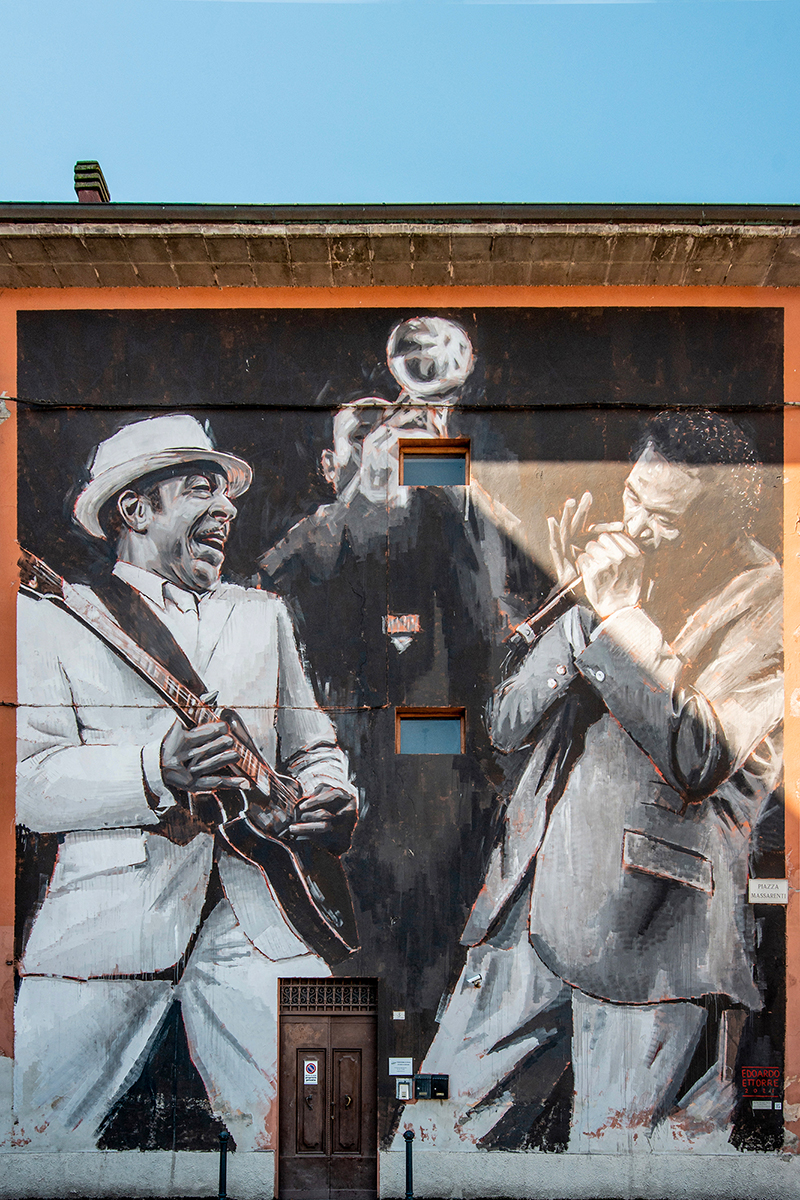
© Ph. Giorgio Barbato
In a more secluded spot, this powerful and deeply human portrait catches visitors by surprise. It pays tribute to the artist who, together with Ray Charles, helped create Soul music and whose life was tragically cut short at the age of just 33.
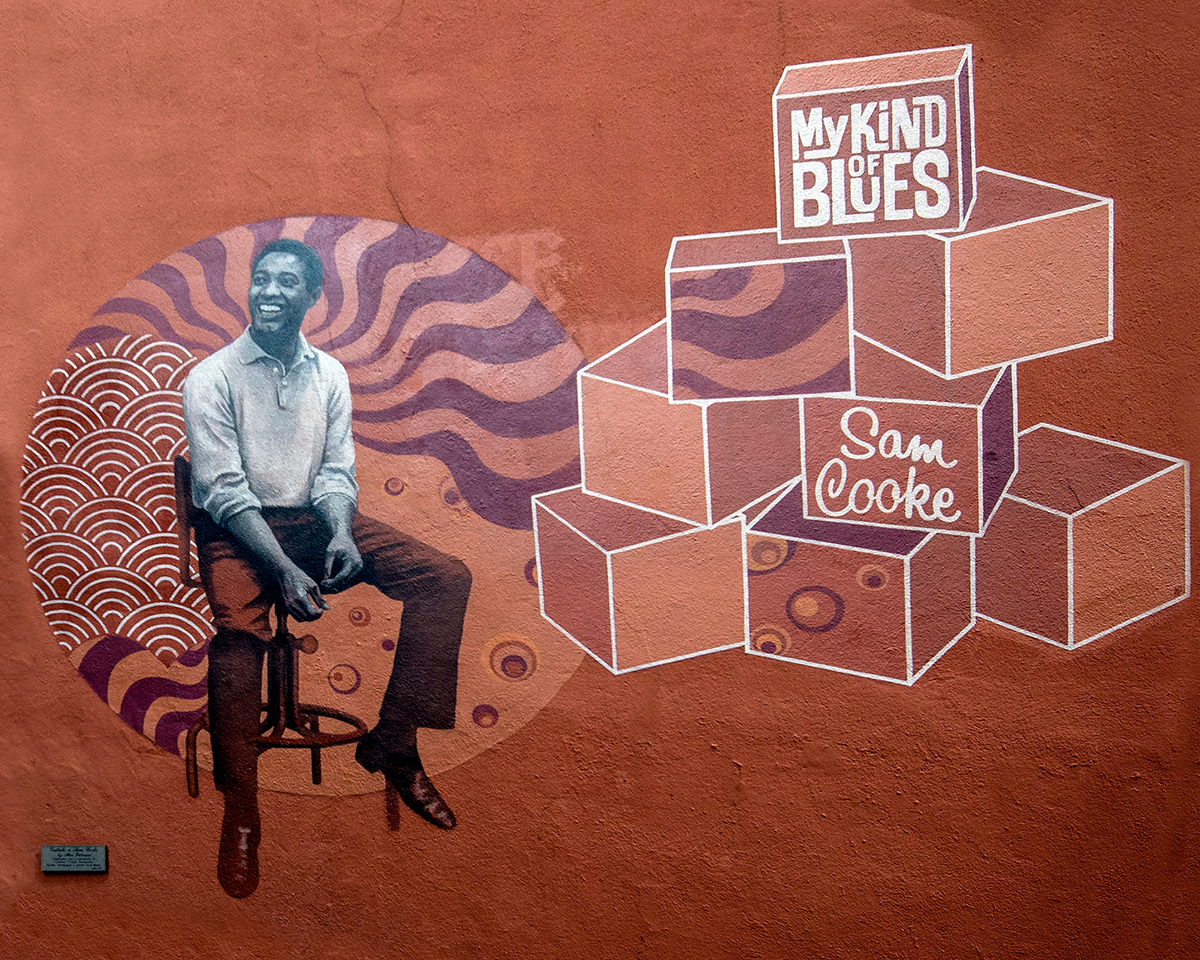
© Ph. Giorgio Barbato
A small visual atlas for music lovers. In addition to the faces of the legendary architects of the Memphis Sound (Booker T. Jones, Steve Cropper, Donald “Duck” Dunn and Al Jackson Jr.), the artwork features the historic headquarters of Stax Records in Memphis and the Ground Zero Blues Club in Clarksdale (owned by Morgan Freeman), in front of which Bobby Rush himself is portrayed.
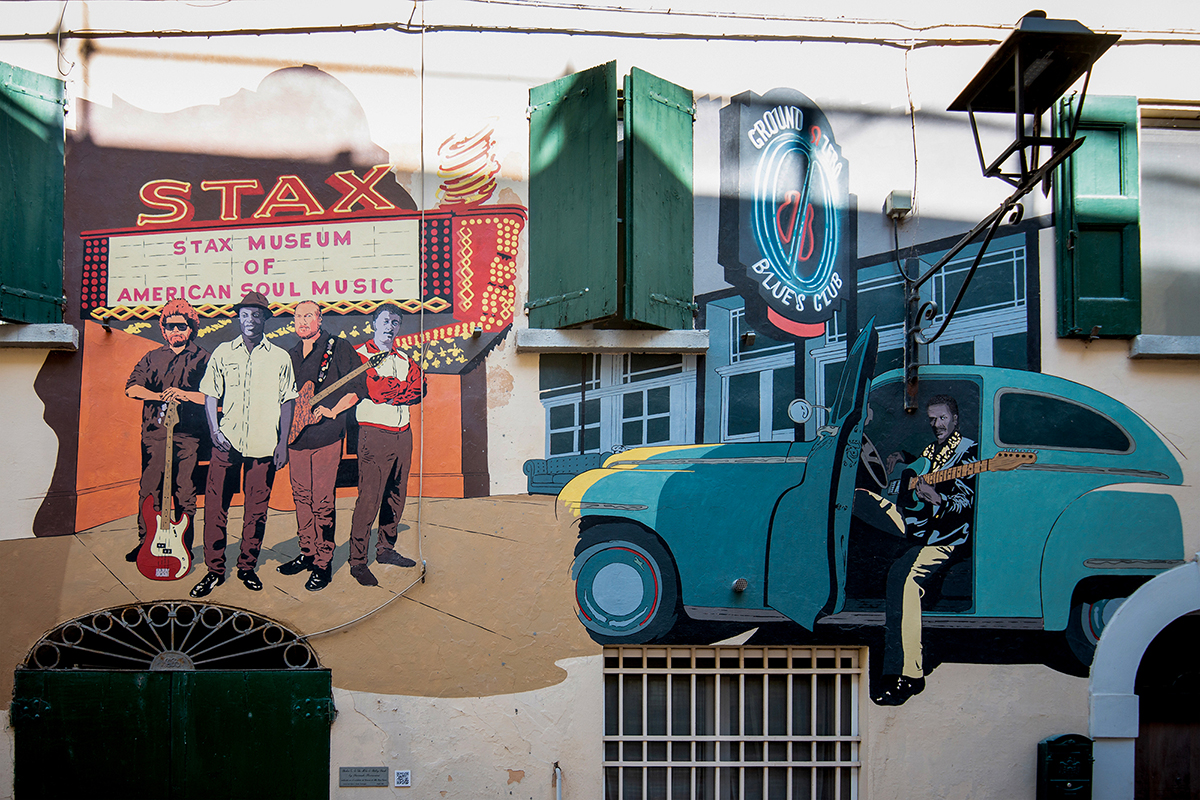
© Ph. Giorgio Barbato
Located on Via del Rossetto, this was the first mural created in Porretta. It portrays Rufus Thomas – the Memphis icon after whom the festival park is named – with a look of astonishment. Local tradition has it that this expression was inspired by his reaction to a plate of tagliatelle prepared by Nilva (Mrs Cheese), a testament to the inseparable bond between the festival’s artists, great music and excellent local food.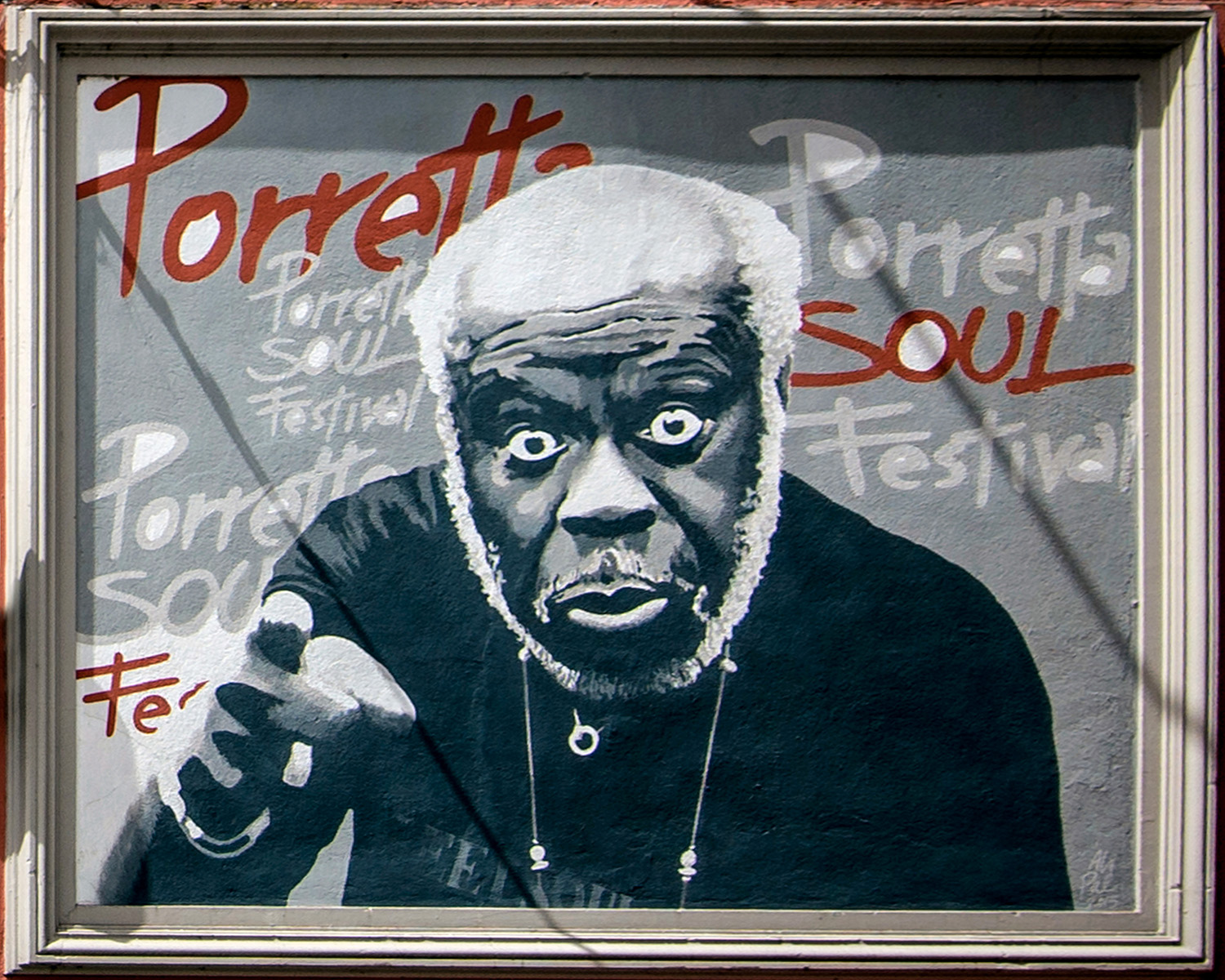
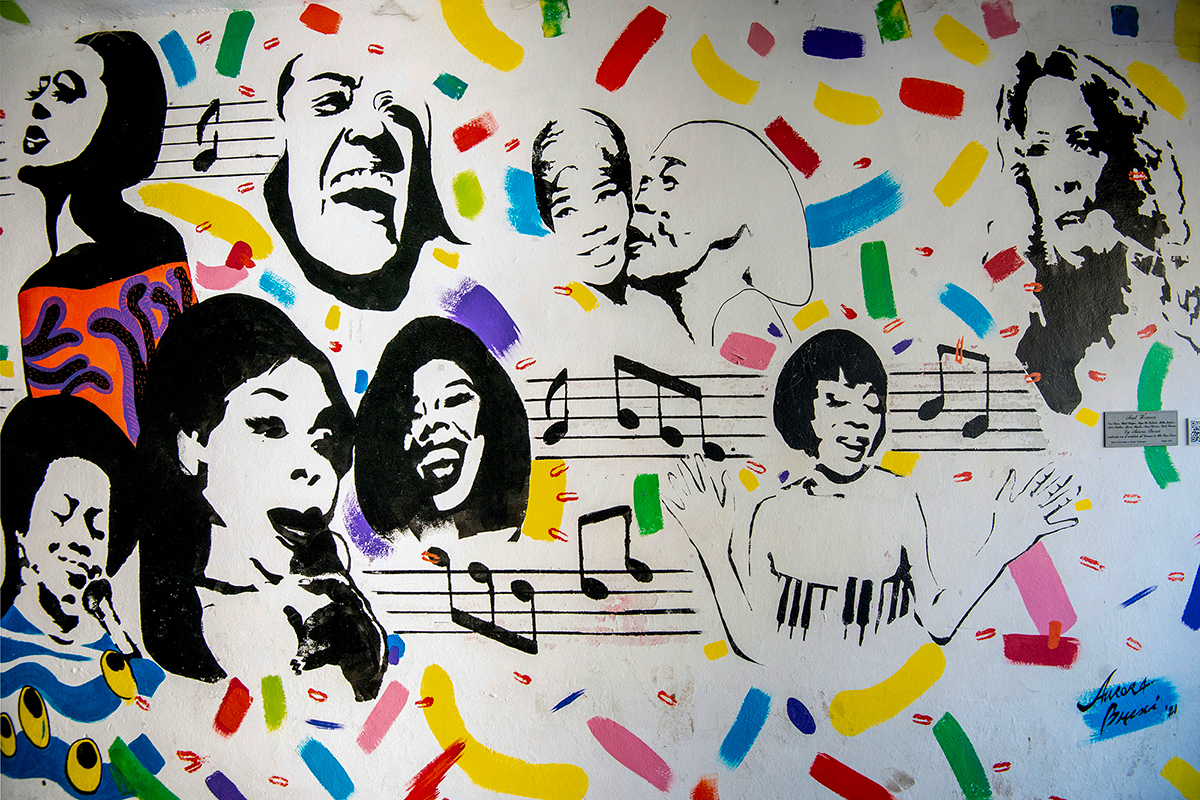
At the corner of Via Falcone and Via delle Terme, this large mural celebrates the great women of Soul music who have performed in Porretta, portrayed in a double version (then and now) as a tribute to their careers:
© Ph. Giorgio Barbato
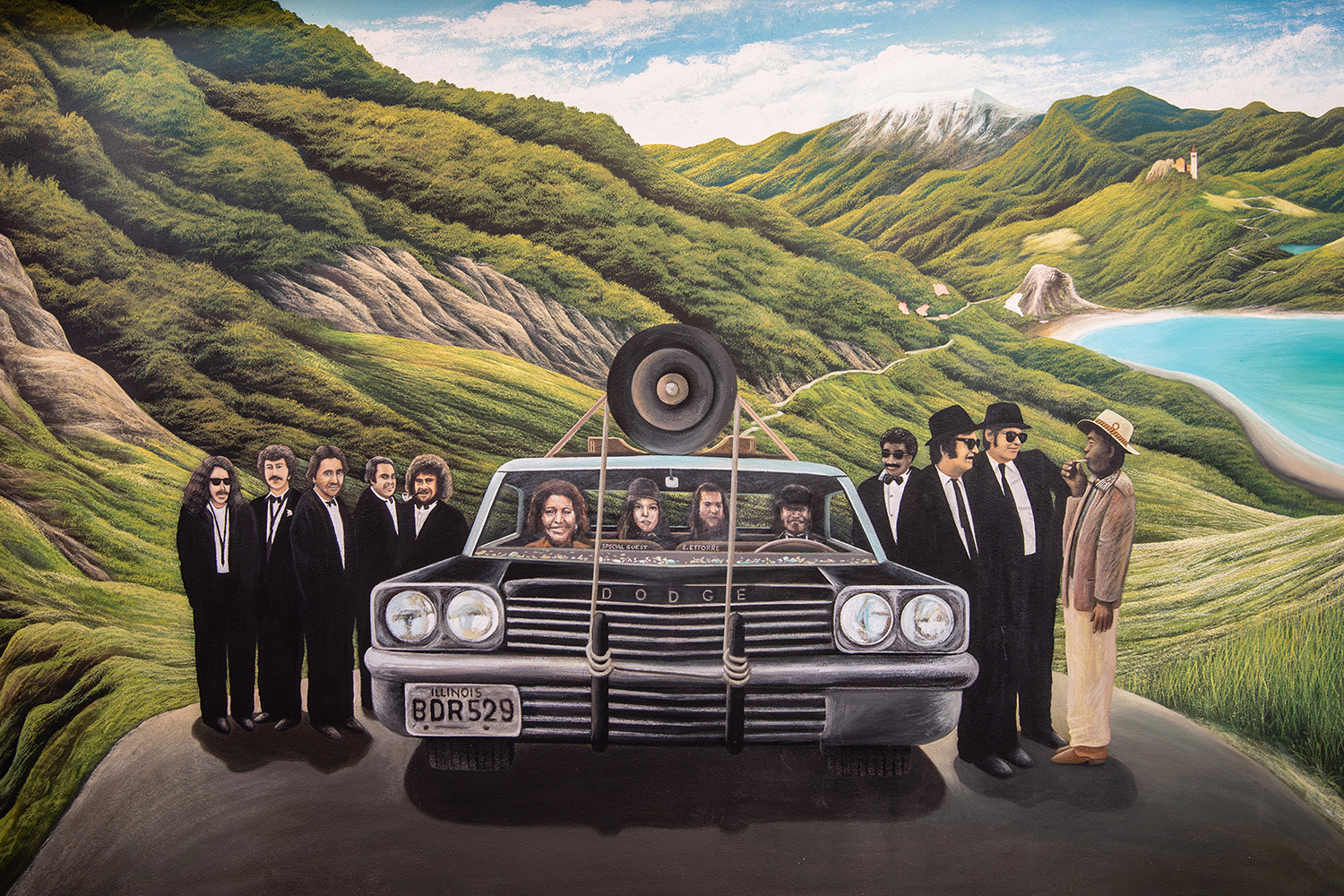
On Via del Falcone, a mural celebrates John Landis’s 1980 cult film. The Bluesmobile is depicted in Porretta, “parked” there by the artist himself, who incorporated local landmarks into the background (Mount Corno alle Scale, Mount Cimone and the Church of Castelluccio). A noteworthy detail is the tribute to the Church of Sperticano, dedicated to the memory of Don Fornasini, a martyr priest and Blessed of the Catholic Church, located directly opposite his former home.
© Ph. Giorgio Barbato
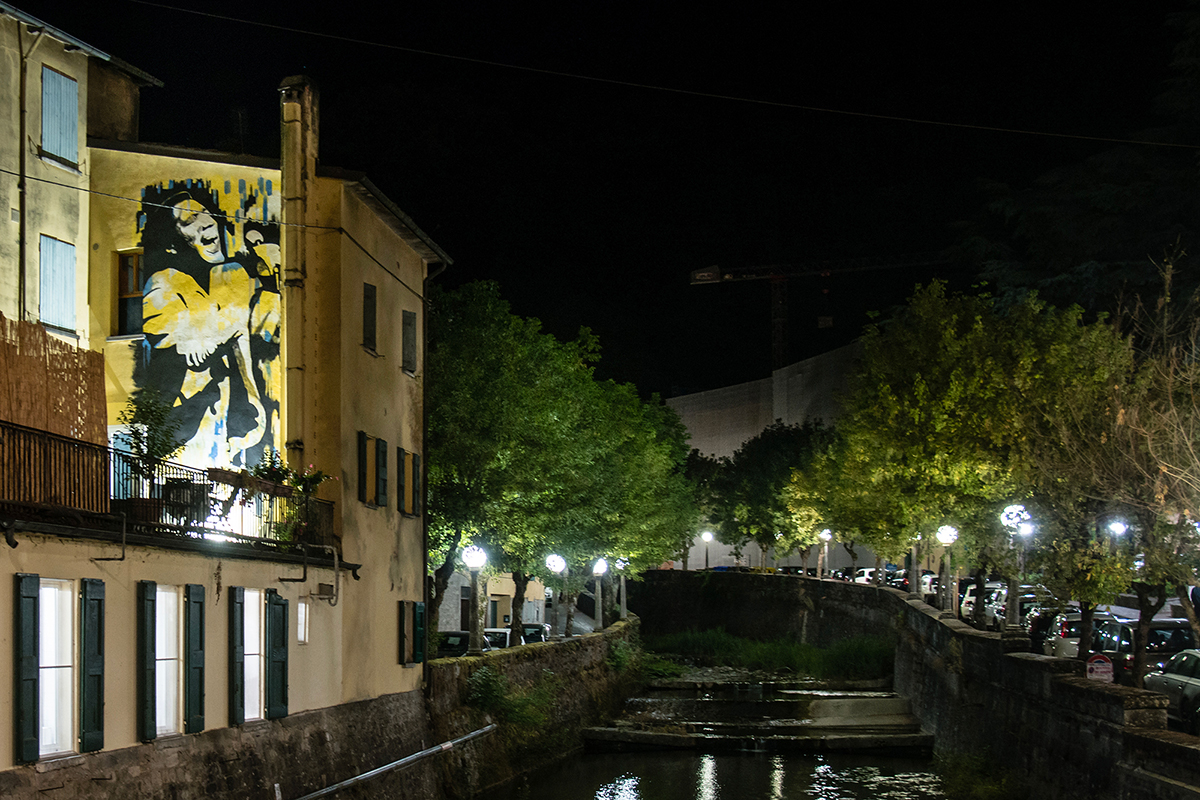
On Via Terme, you will find the tribute to Otis Redding. The artwork captures the very essence of the festival, which was originally founded as a tribute to the legendary black music icon who passed away at just 26 years old. Over the years, Porretta has welcomed almost all of his historic collaborators, including his son, Otis Redding III.
© Ph. Giorgio Barbato
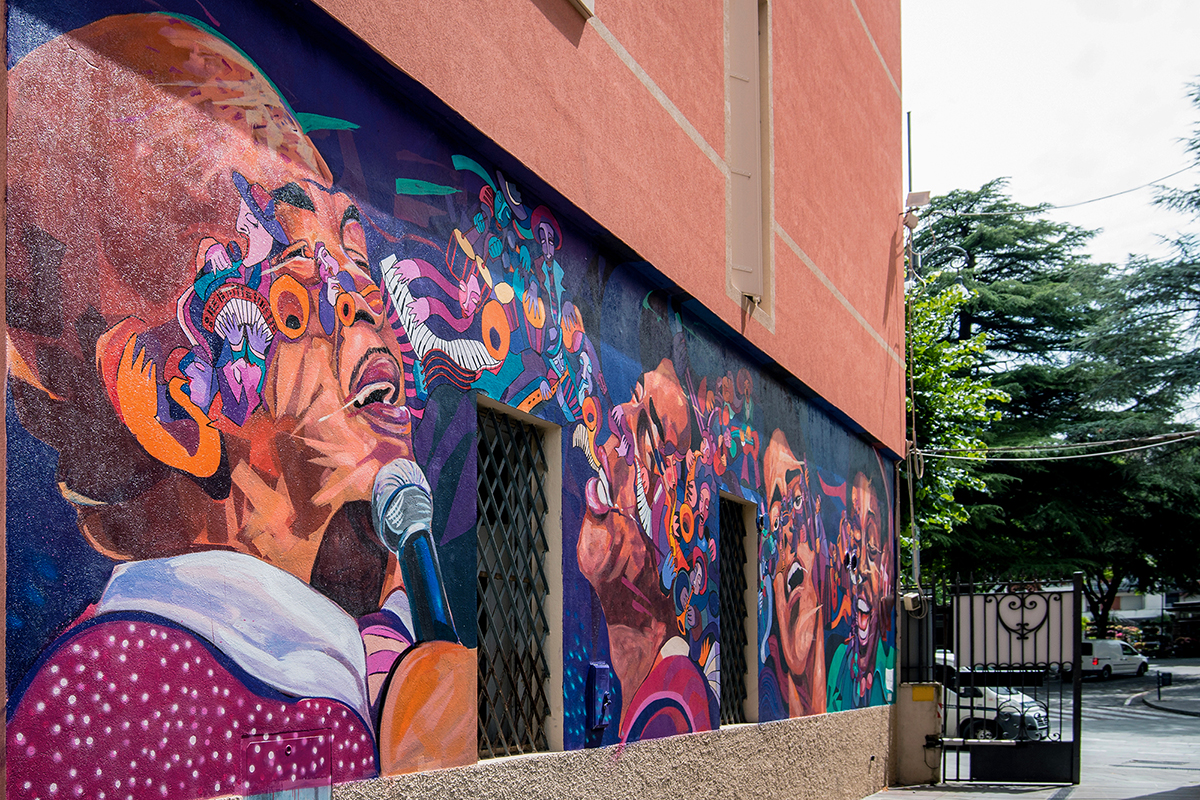
Located right at the entrance to the festival park, this mural brings together four legends: Solomon Burke (whose song Everybody Needs Somebody To Love was famously revived by The Blues Brothers), Wilson Pickett (the iconic voice behind In The Midnight Hour), James Carr (one of the finest exponents of deep soul), and Eddie Hinton, the legendary blue-eyed soul guitarist and songwriter.
© Ph. Giorgio Barbato
On Via Lungoreno, this artwork depicts the legendary Muscle Shoals songwriter and producer seated while playing his guitar. He wrote worldwide hits for artists such as Aretha Franklin and Solomon Burke, and after making his debut in Porretta in 1994, he composed the song Peace in Porretta.
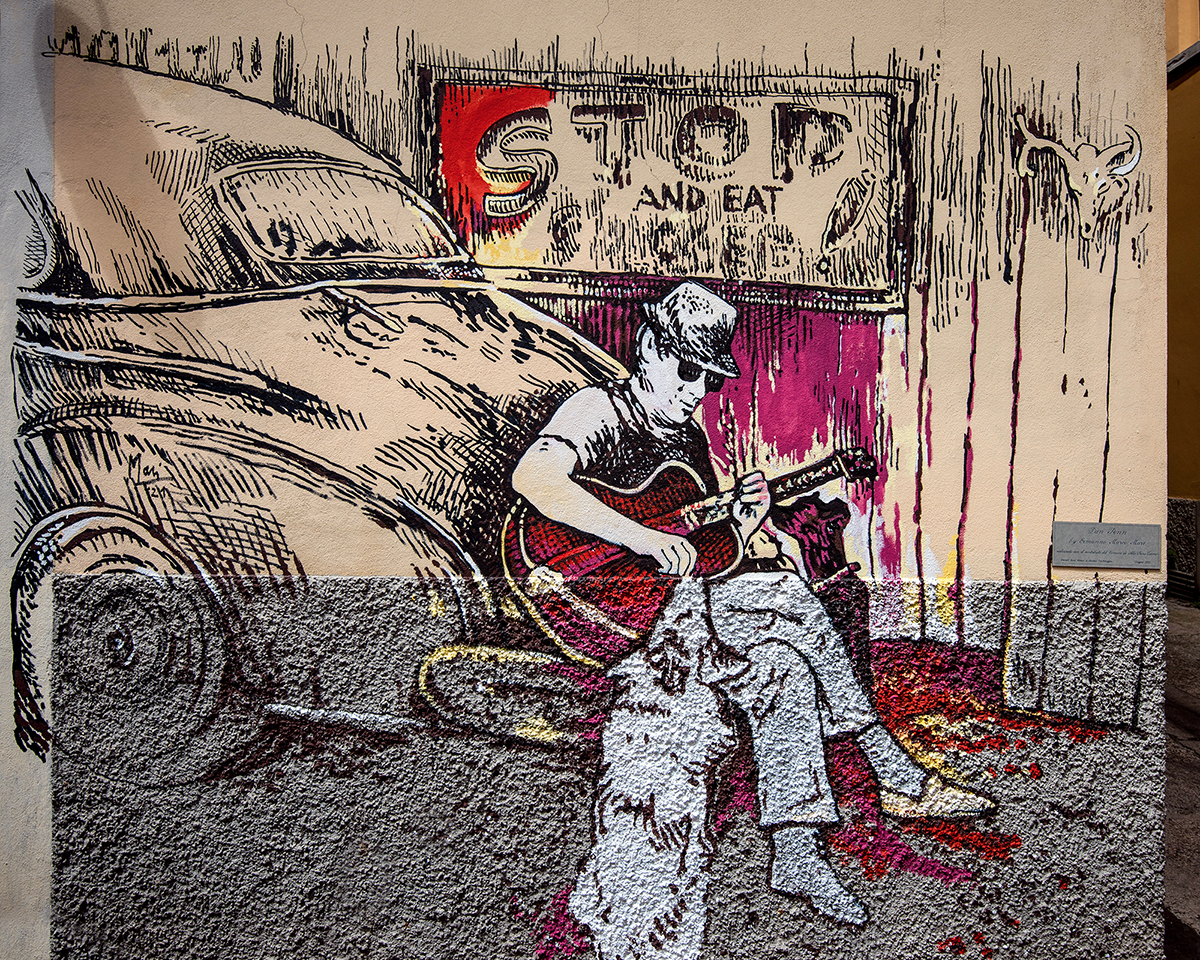
© Ph. Giorgio Barbato
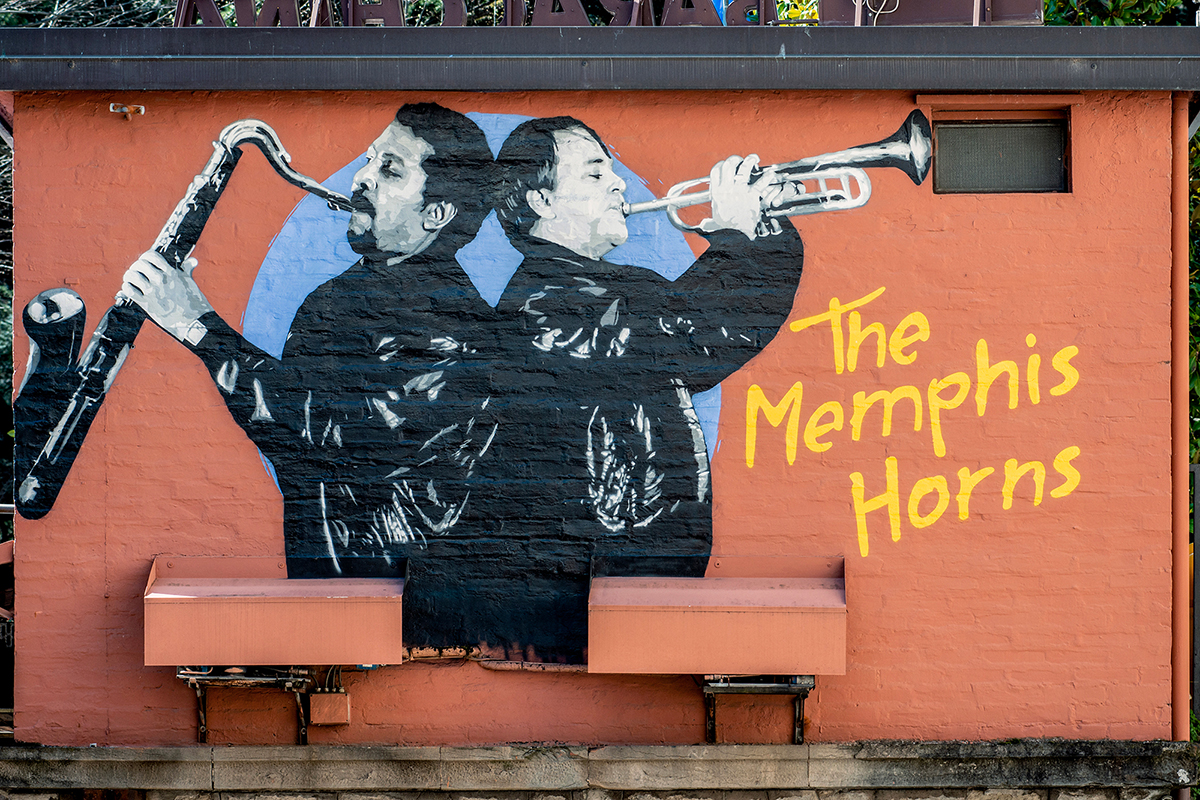
Also located in the Lungoreno area, this mural celebrates the most famous horn section in music history, made up of Wayne Jackson and Andrew Love (recipients of the Grammy Lifetime Achievement Award in 2012). They performed with Otis Redding, the entire Stax Records roster, Elvis Presley, U2 and Zucchero, and inaugurated the very first edition of the Porretta SOUL Festival in 1988.
The itinerary ends at the Porretta Sottostazione with a second mural dedicated to Carla Thomas, a pioneer of rhythm and blues and daughter of Rufus Thomas. This is the stop furthest from the town centre, yet it remains easily accessible.
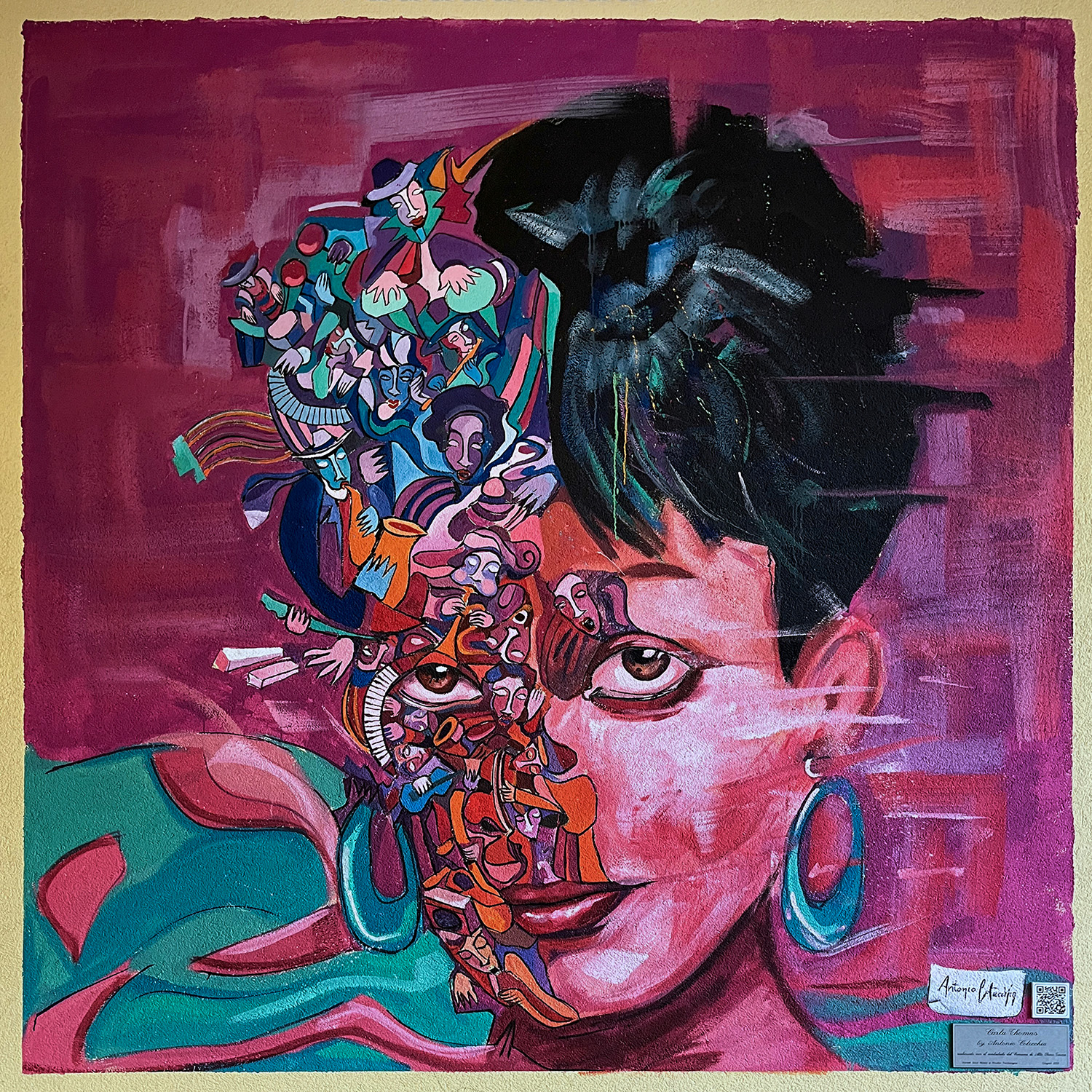
© Ph. Giorgio Barbato
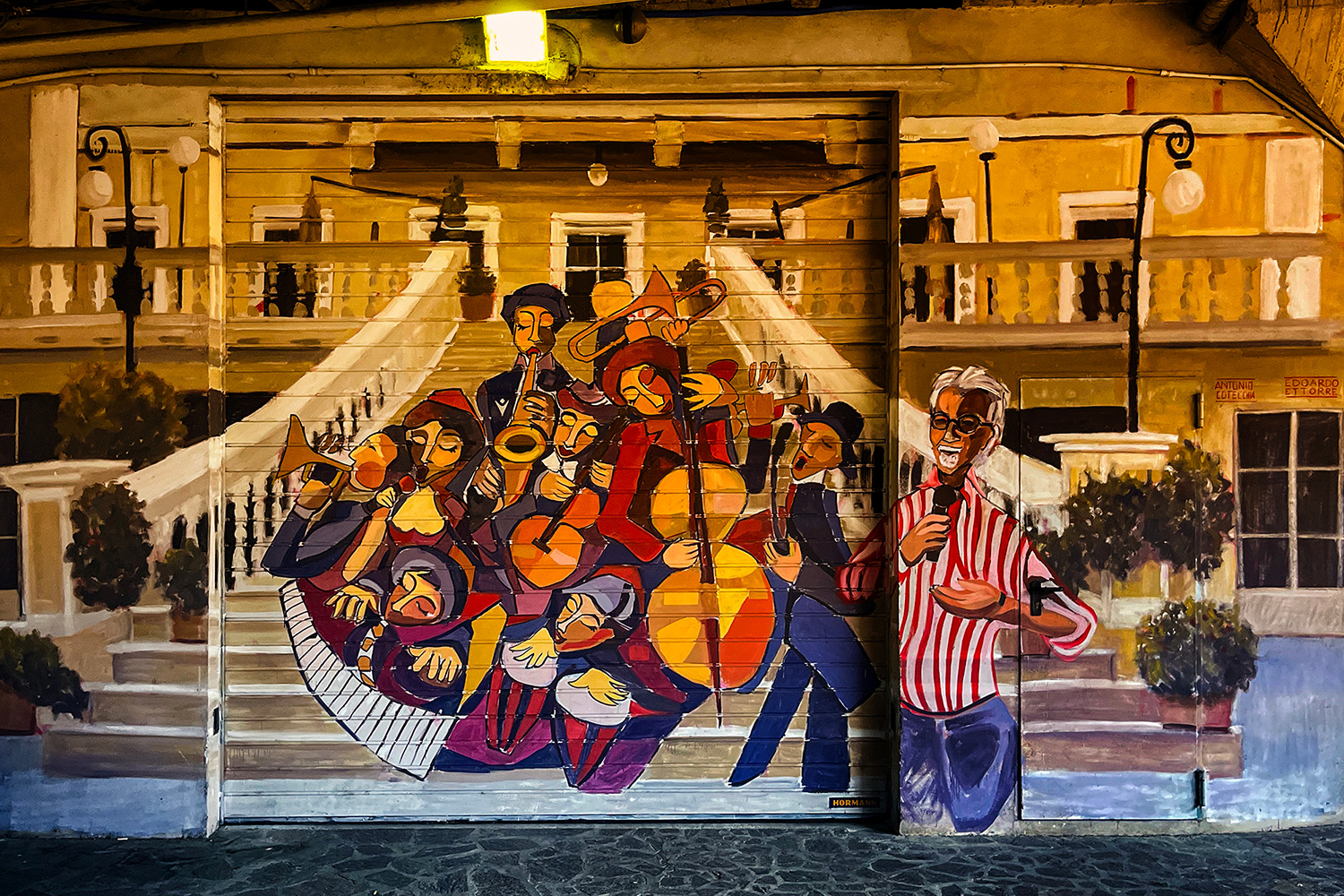
On Via Don Giovanni Minzoni, this artwork celebrates the Boston saxophonist, who has become a familiar presence in Porretta, highlighting his close connection with Solomon Burke. The mural recalls memories of their memorable 2004 tour, including unusual travel anecdotes and the logistical challenges involved in lifting the King of Soul onto his throne while the horn section tirelessly played the fanfare of Everybody Needs Somebody To Love.
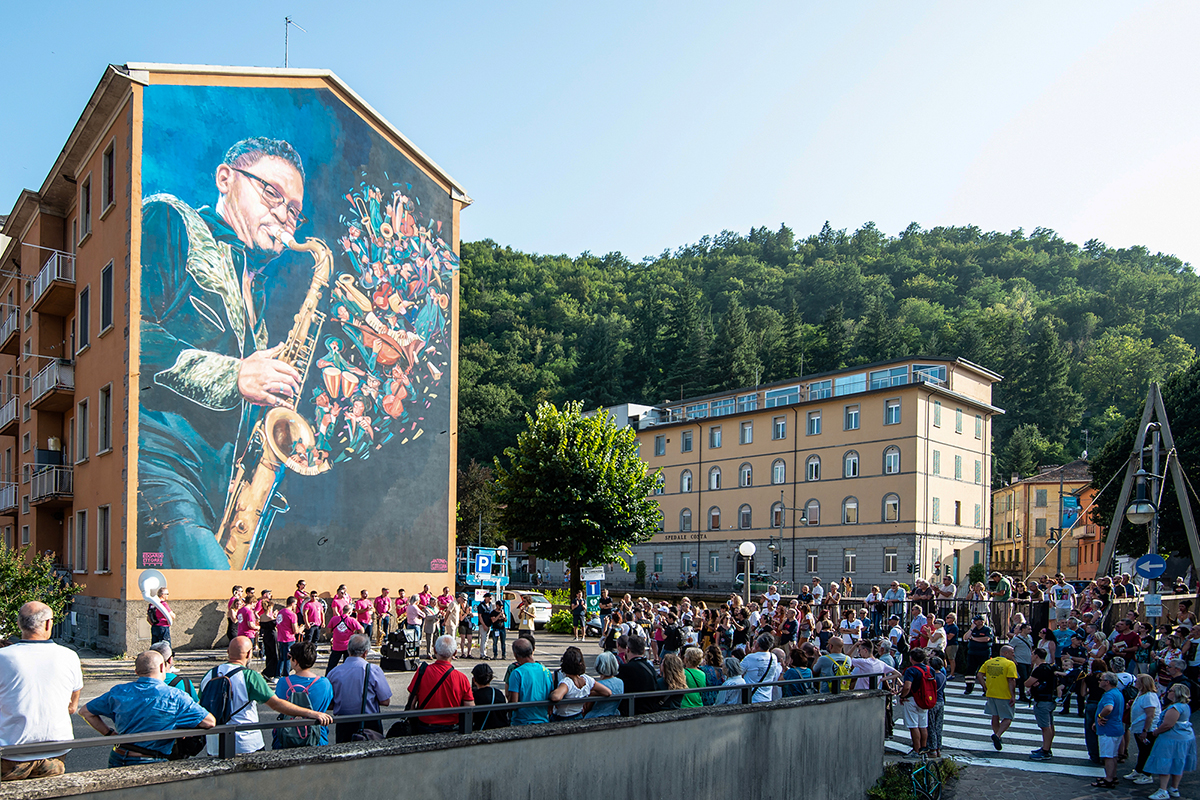
© Ph. Giorgio Barbato
At Hotel Helvetia, the historic venue of the festival’s final press conference, this artwork celebrates the “artists’ home” through which much of the Porretta SOUL Festival’s history has passed. The mural recalls memories and anecdotes linked to the hotel, including the 2005 edition when an injured Cicero Blake became comically stuck in the lift of the hotel, which was undergoing renovation. He was rescued at the last minute by Civil Protection volunteers, just in time to make it onto the stage.
© Ph. Giorgio Barbato